Astronomy
15 ideas, each explained on one page with a 60-second lesson you can play right there.
-

 Anthropic principle
The anthropic principle explains that we observe physical constants suitable for life because observers cannot exist in a universe without them.
-
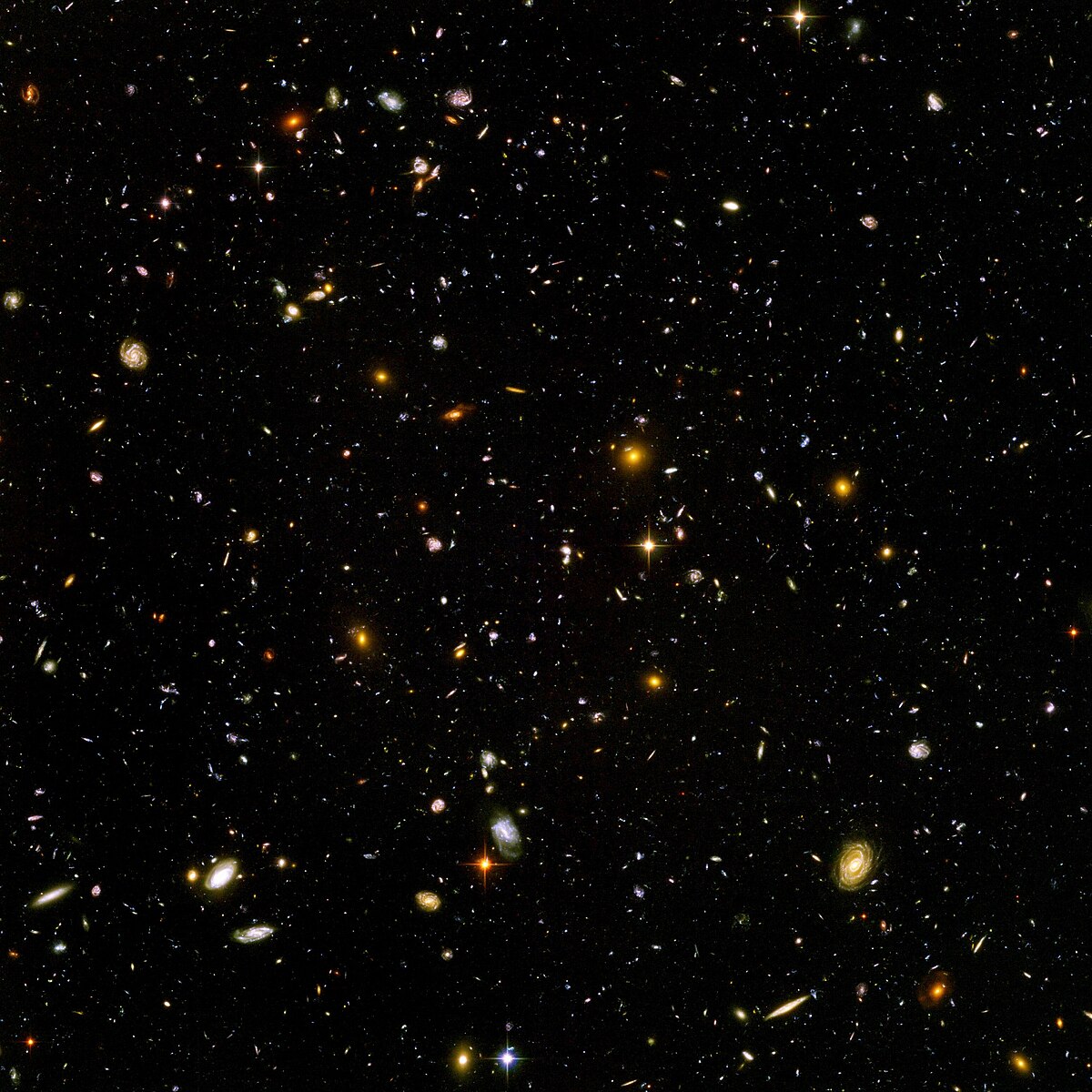 Copernican Principle
The Copernican principle states that Earth occupies an average position in space and that humans are not privileged observers of the universe.
-
 Doppler Effect
The Doppler effect changes the observed pitch or frequency of waves when a source and observer move relative to each other.
-
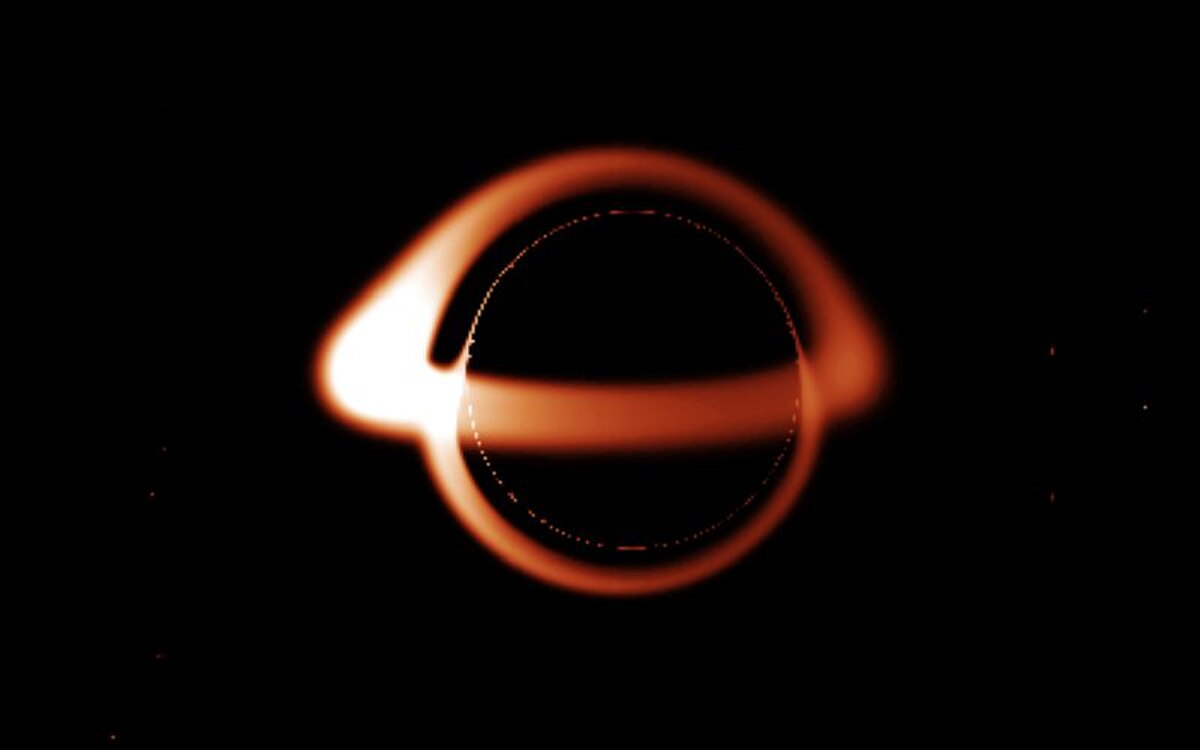 Doppler Effect of Light
The Doppler effect of light shifts the wavelength and frequency of electromagnetic waves when a light source and observer move relative to each other.
-
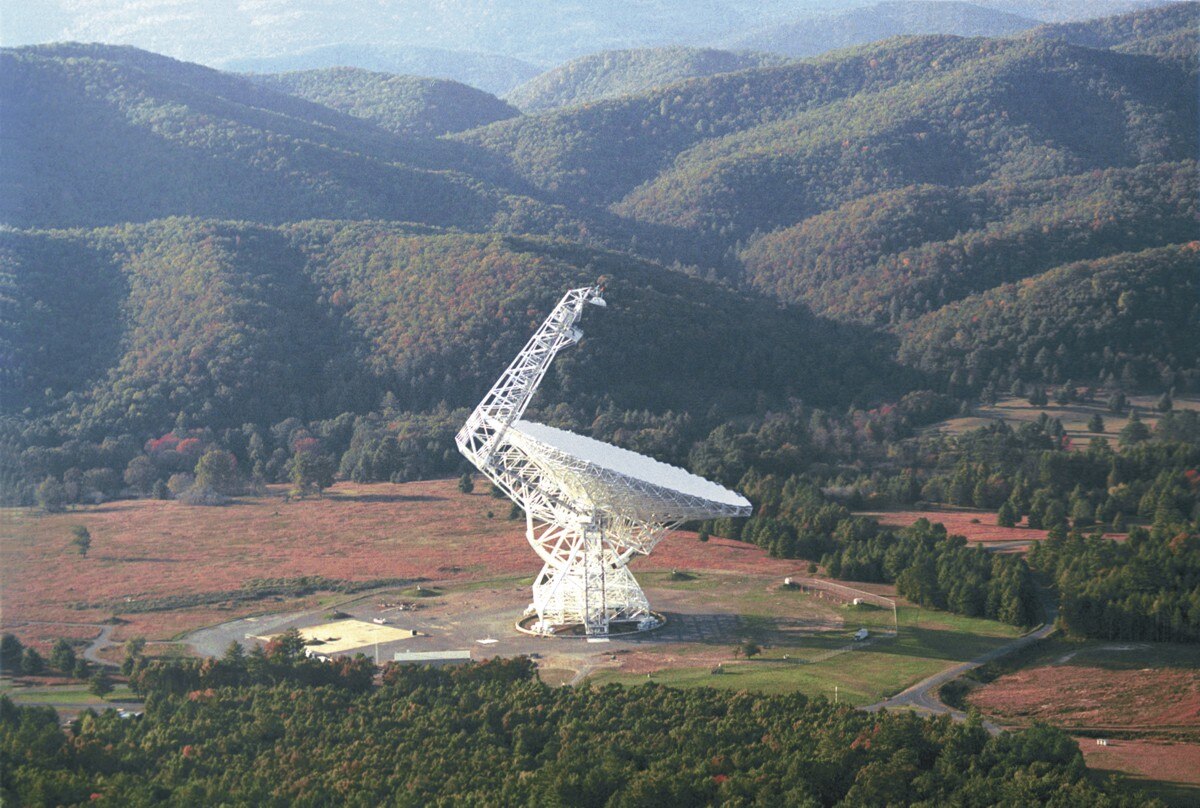 Drake Equation
The Drake equation is a mathematical formula that estimates how many active, communicative alien civilizations exist in our galaxy.
-
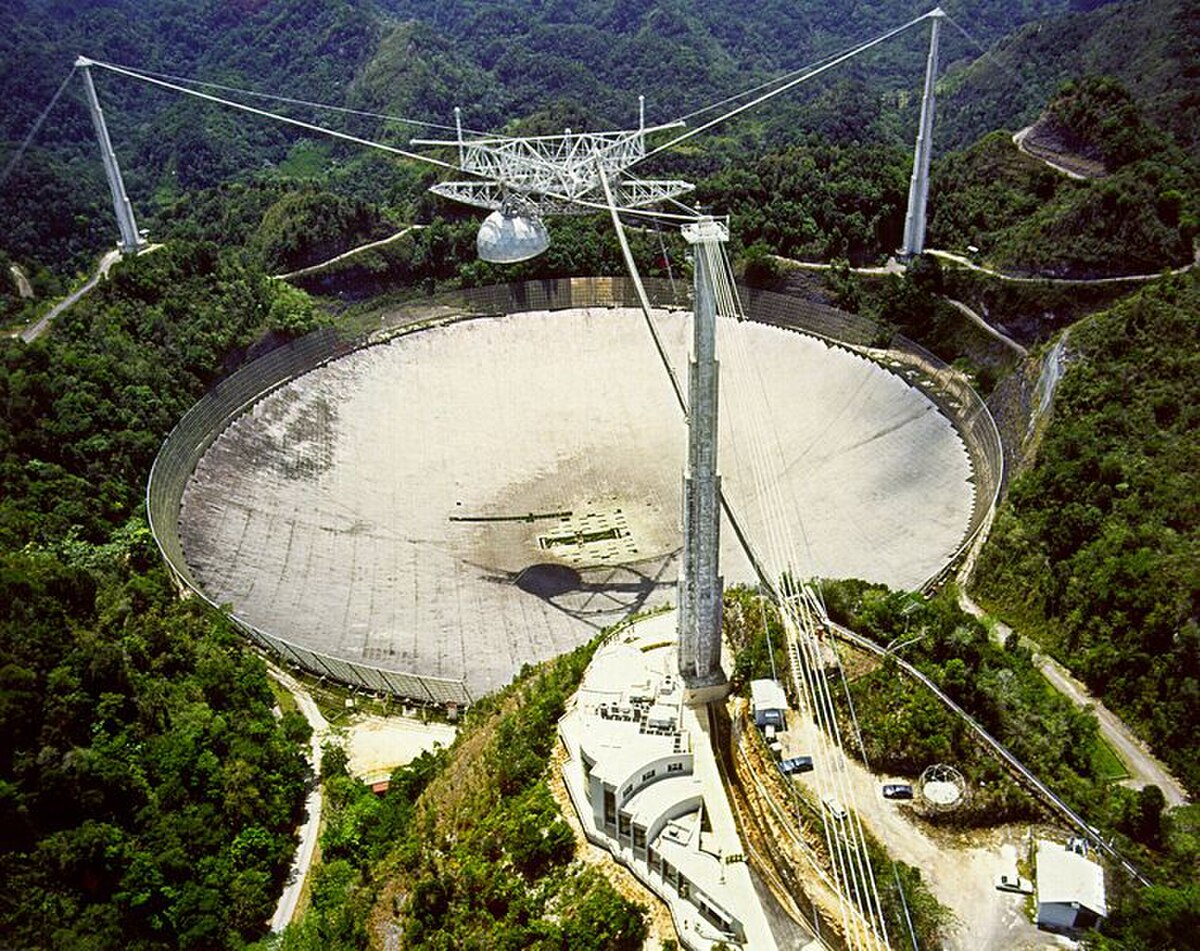 Fermi Paradox
The Fermi paradox exposes the clash between the high statistical odds of alien life across billions of stars and our complete lack of evidence for it.
-
 General Relativity
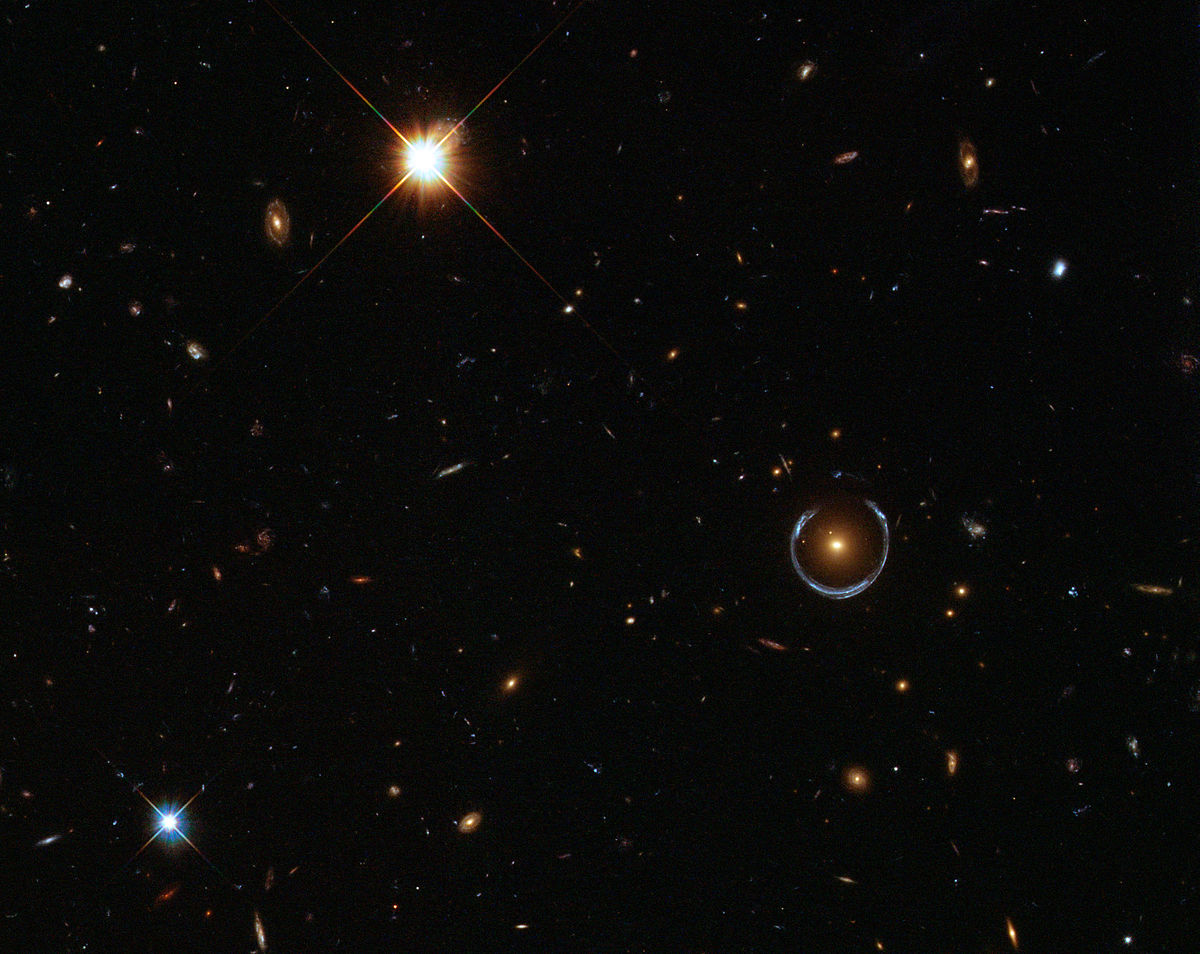
General relativity explains gravity as the warping of space and time by mass and energy, replacing Newton's concept of an attractive force.
-
 Gravitational time dilation
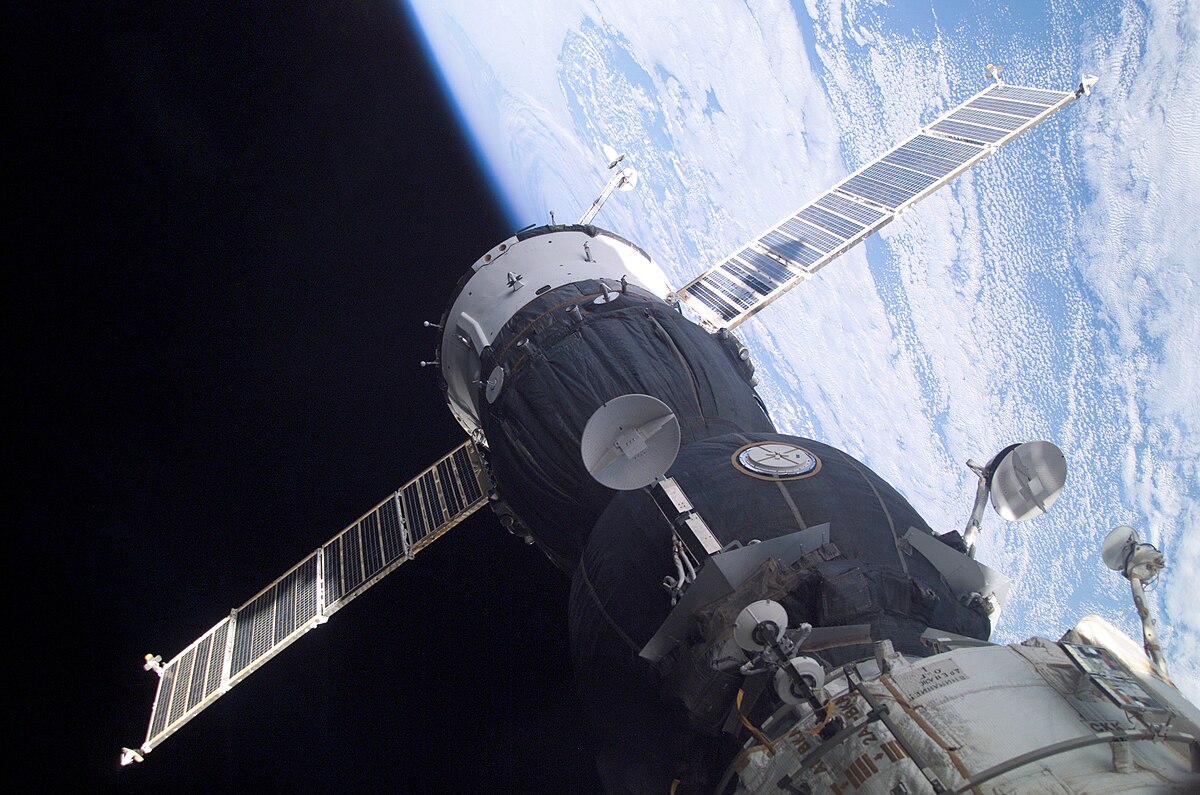
 is the actual difference in how fast time passes for objects at different distances from a heavy mass.
-
 Great Filter
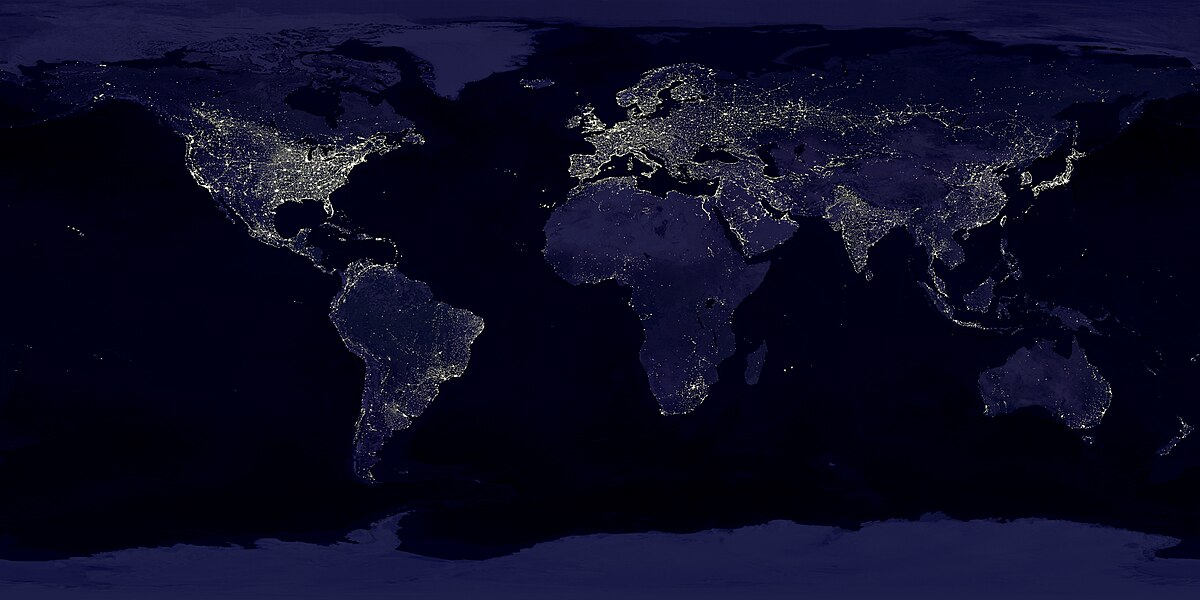
The Great Filter argues that an evolutionary barrier makes advanced life rare.
-
 Panspermia
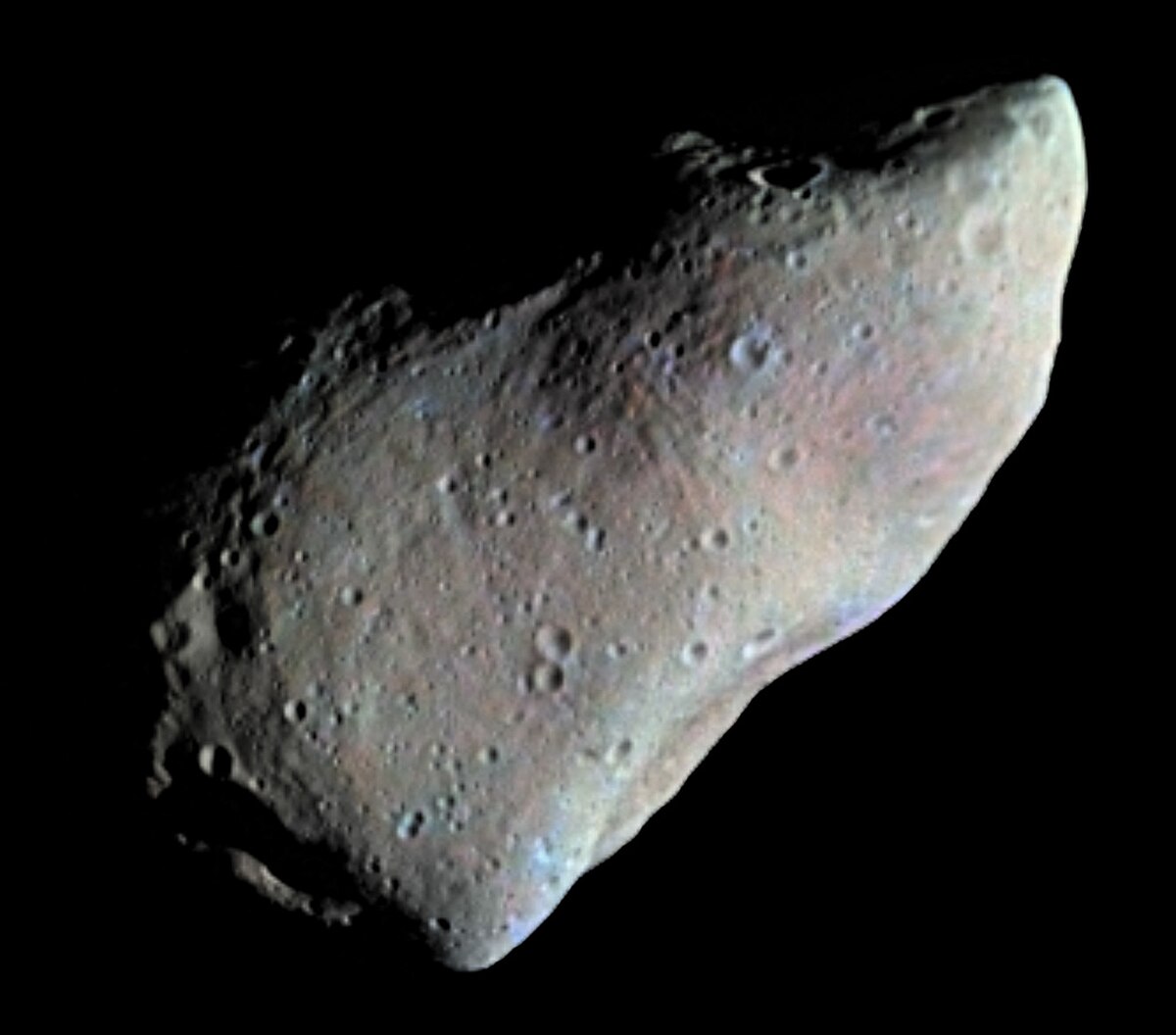
 is the scientific hypothesis that microscopic life originated elsewhere and spreads across the universe inside rocks and comets.
-
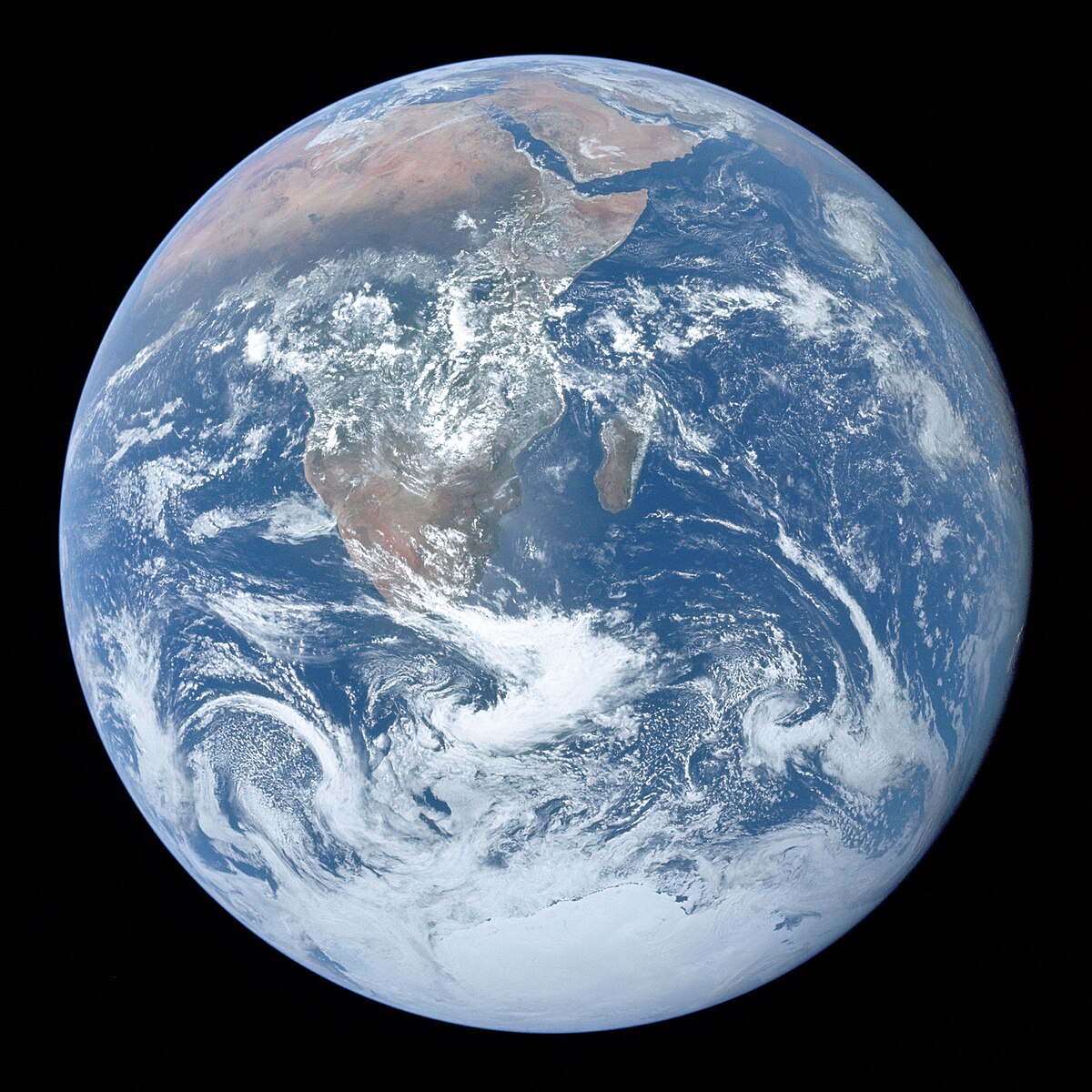 Rare Earth hypothesis
The Rare Earth hypothesis argues that simple life may be common, but complex, multicellular life requires an extremely rare set of circumstances.
-
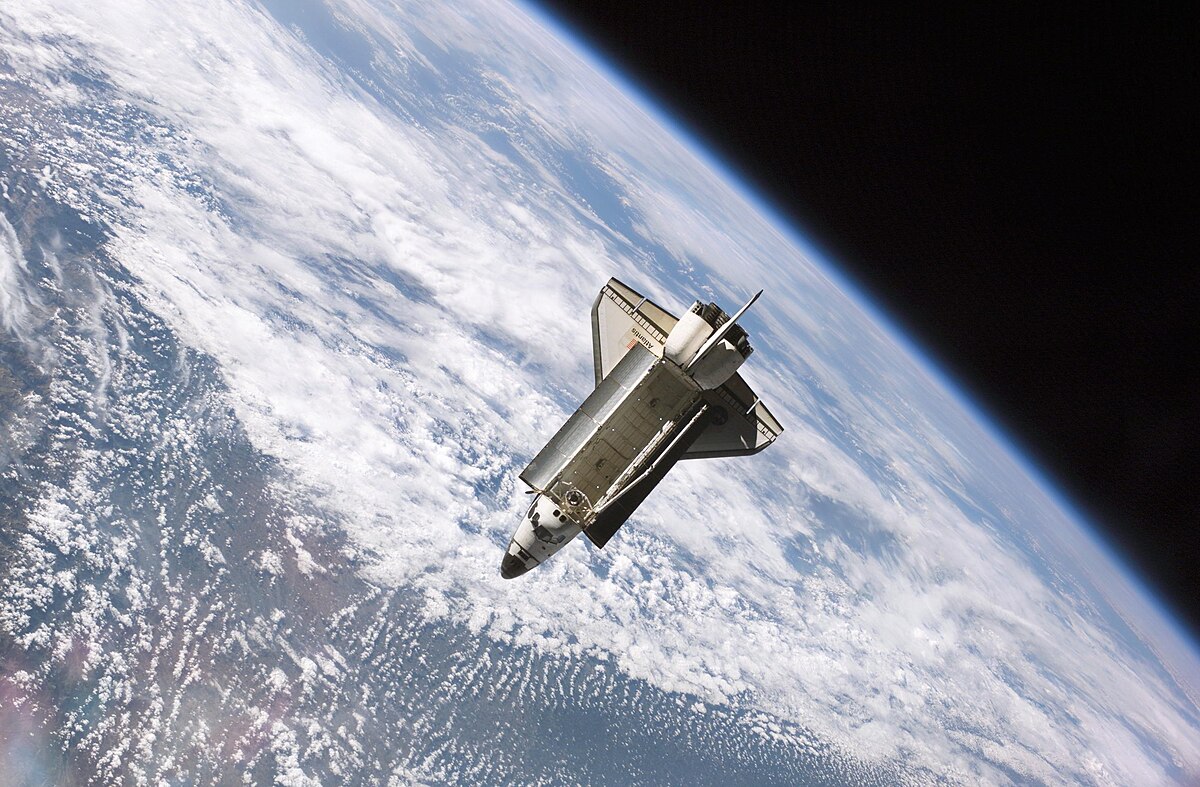 Space Exploration
Space exploration is the physical investigation of outer space using uncrewed robotic probes and human spaceflight.
-
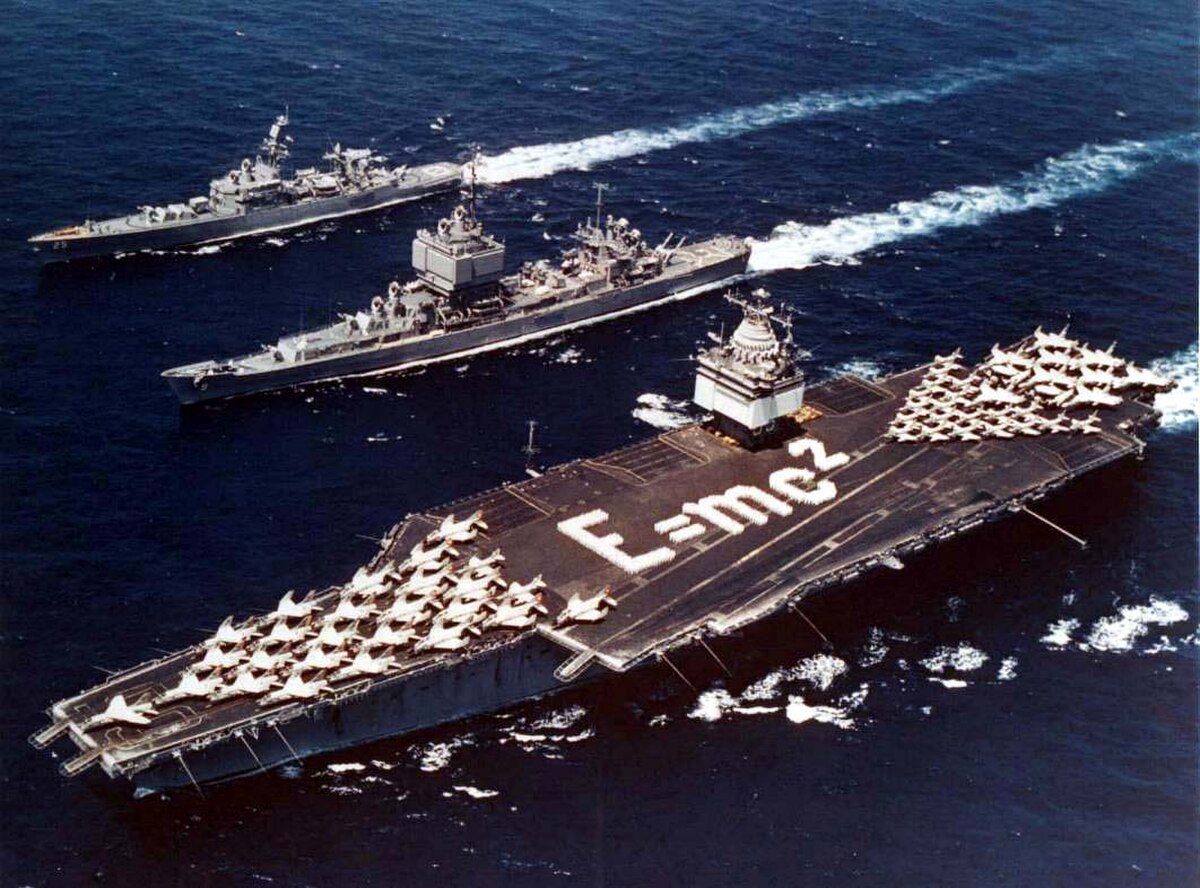 Special Theory of Relativity
The Special Theory of Relativity is a physics theory describing the relationship between space and time for objects moving at constant speeds.
-
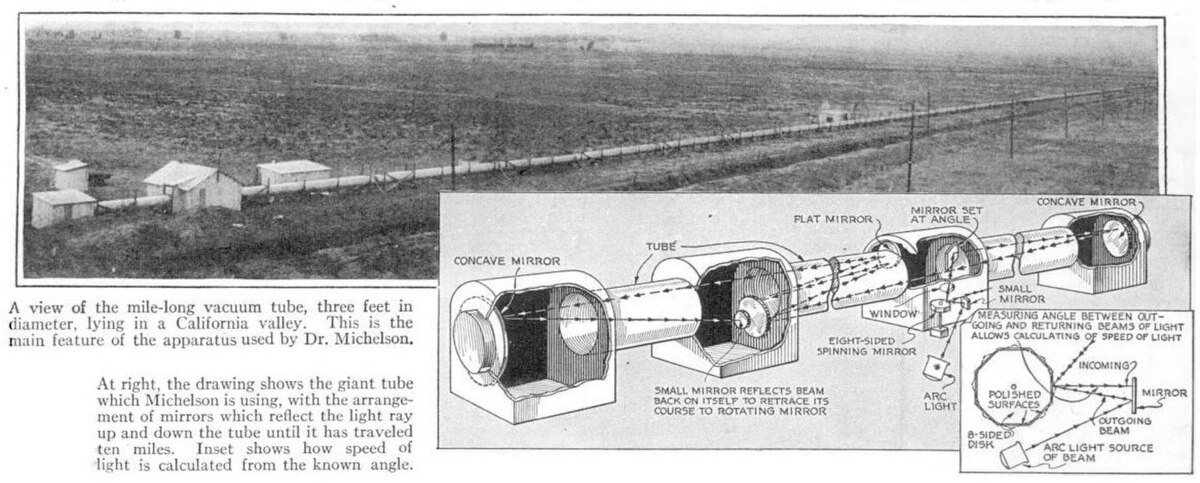 Speed of Light
The speed of light is the universal speed at which electromagnetic waves and massless particles travel through a vacuum, which is empty space.
-
Time Dilation
Time dilation is the difference in elapsed time measured by two clocks due to relative speed or gravity.