Hyperpalatable foodThe formula that overrides fullness
Hyperpalatable food is food engineered with specific high levels of fat, sugar, sodium, or carbohydrates that strongly activate the brain's reward system. This intense stimulation encourages excessive eating by overriding normal fullness cues. Between 1988 and 2018, the share of foods meeting this definition in the United States grew from 49% to 69%.
By the edgi team We find the most surprising true thing about an idea and build a 60-second lesson around it.
In the 1970s, market researcher Howard Moskowitz tested dozens of sweetness levels in drinks for the food industry. Liking rose with sugar, then peaked, then dropped. That peak is the "bliss point": the amount of sweetness that gives maximum pleasure.
Companies can tune sugar, fat, and salt to land near it, and the result is called hyperpalatable food.
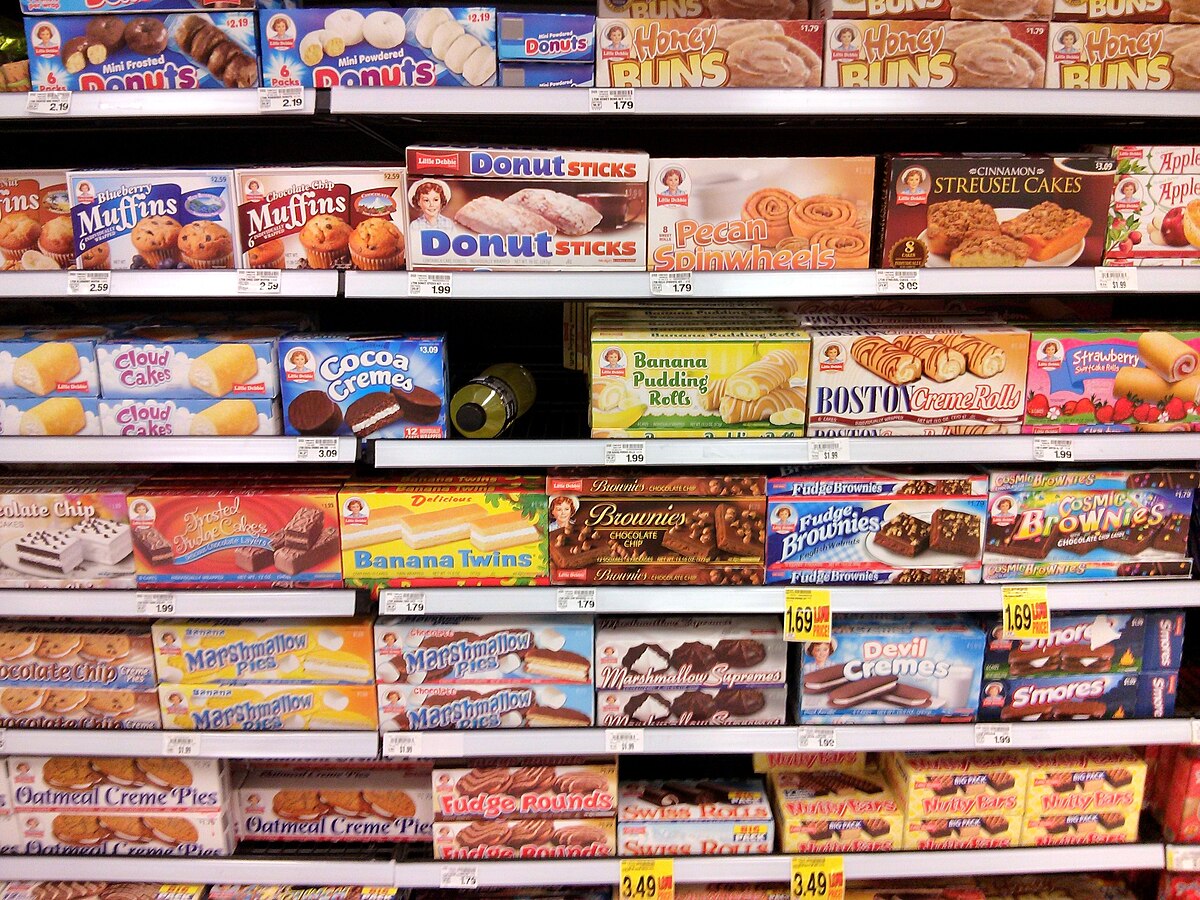
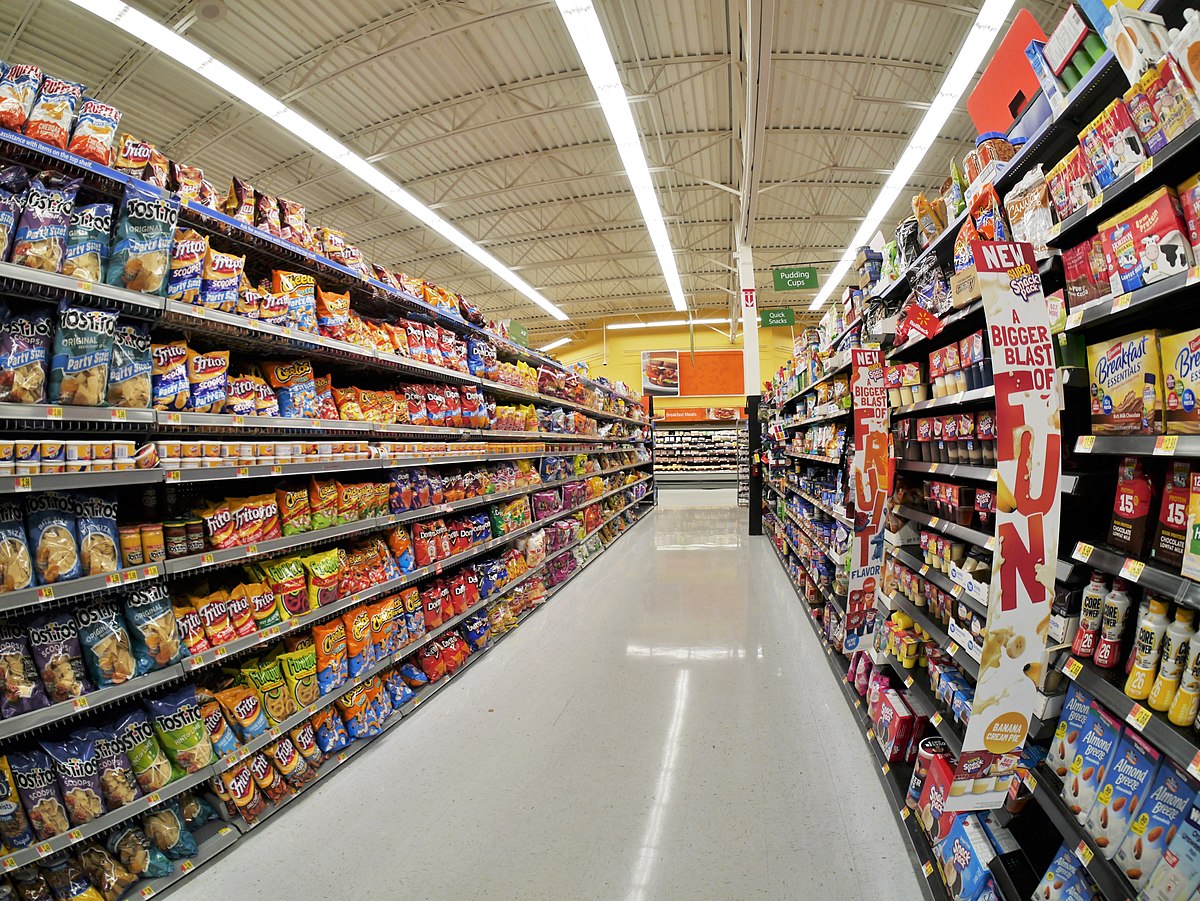
Grocery store shelves are filled with various processed snack foods, including donuts, muffins, cookies, and brownies. Cory Doctorow, CC BY-SA 2.0, via Wikimedia Commons
What makes food hyperpalatable
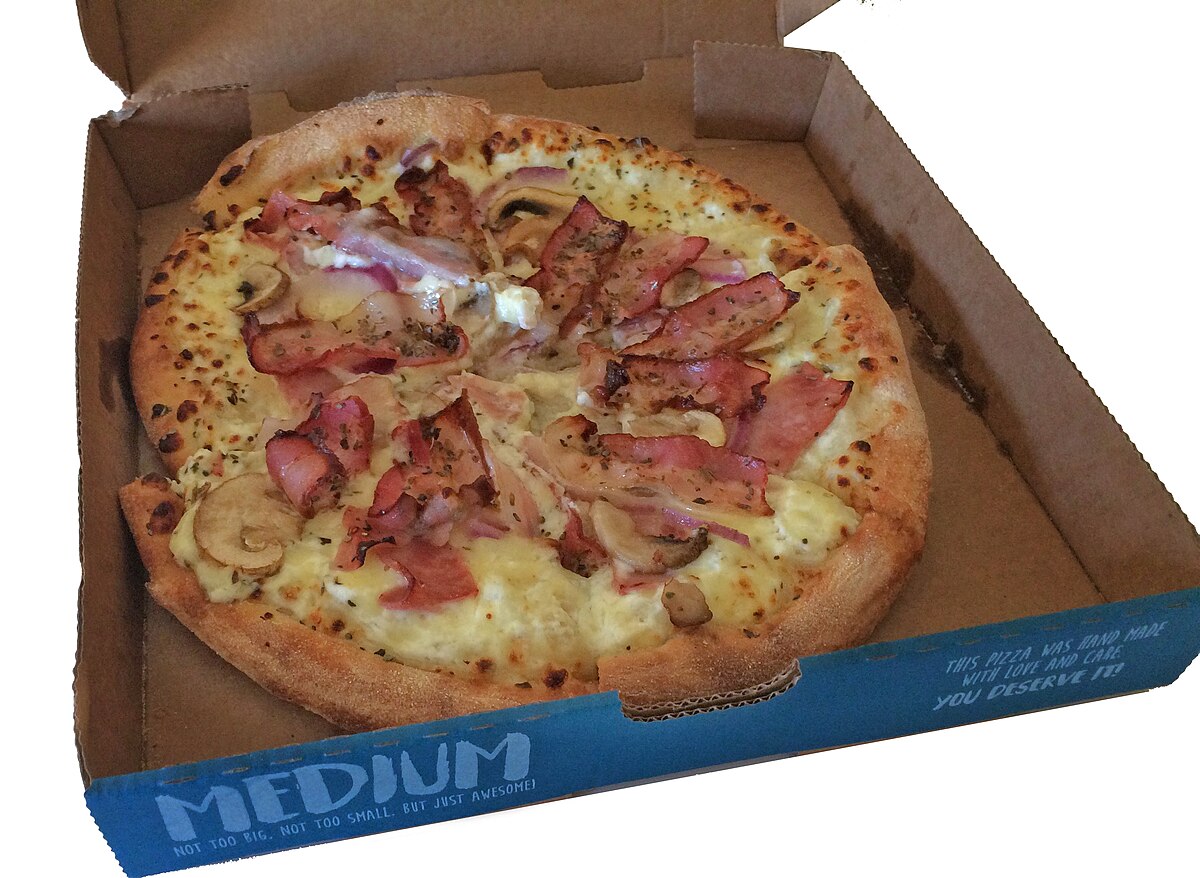
Researchers define it by combinations. Fat plus sodium, fat plus sugar, or carbs plus sodium, such as pizza, chips, and cookies. Nature rarely serves these pairings. Fruit has sugar but little fat, and nuts have fat but little sugar.
A Domino's Pizza in an open cardboard box, featuring a pizza topped with bacon, mushrooms, and what appears to be a white sauce. Amin, CC BY-SA 4.0, via Wikimedia Commons
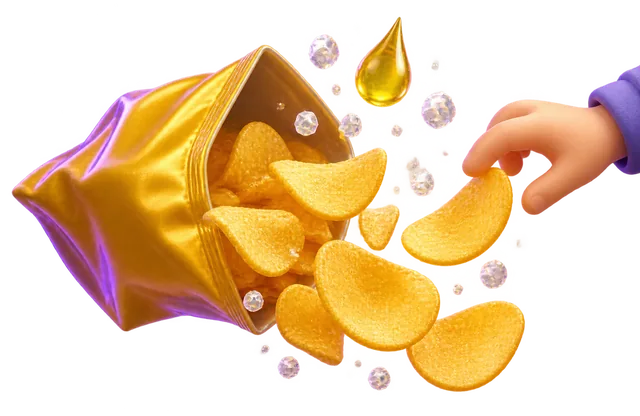
Think of a crisp, salty, creamy potato chip: it delivers several rewards at once.
Why you keep eating
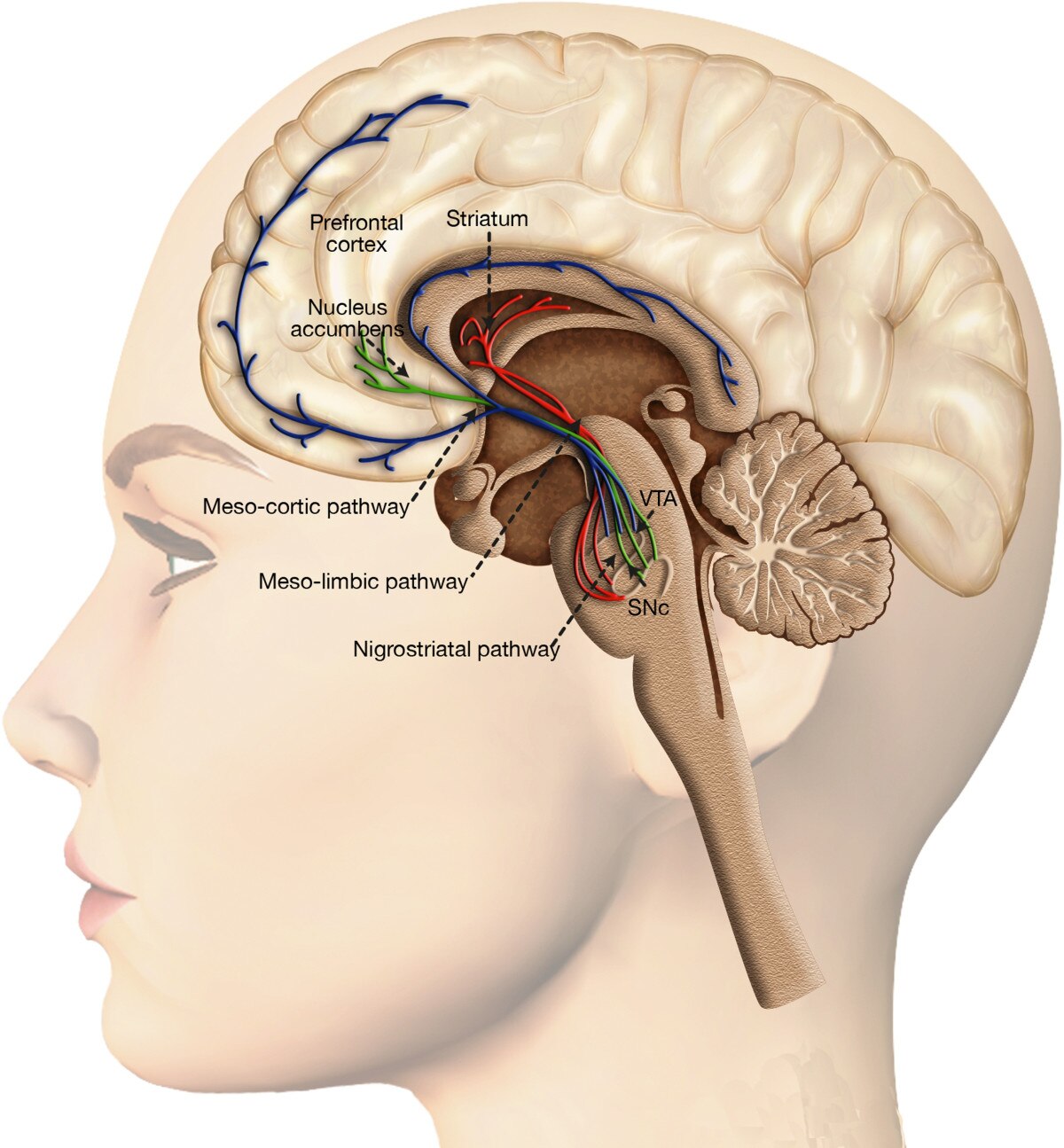
Those combinations strongly activate the brain's reward system, which pushes you to repeat whatever just felt good. Appetite and fullness hormones also get disrupted, so the signal to stop arrives late or gets overridden.
Diagram illustrating the dopaminergic system and reward processing in the human brain. Oscar Arias-Carrión, Xanic Caraza-Santiago, Sergio Salgado-Licona, Mohamed Salama, Sergio Machado, Antonio Egidio Nardi,, CC BY 4.0, via Wikimedia Commons
This is why you can feel full after dinner and still find room for dessert.
The catch
Brains evolved when calories were scarce, so strong rewards for dense food made sense. Now that food is cheap and engineered, the same wiring works against us. Hyperpalatable food is not a single ingredient or a poison. It is a pattern: pleasure turned up beyond what our fullness brakes were built to handle.
The three formulas for hyperpalatability
Researchers at the University of Kansas established quantitative criteria for hyperpalatability by analyzing USDA food databases. They identified three distinct ingredient combinations that consistently drive overeating.
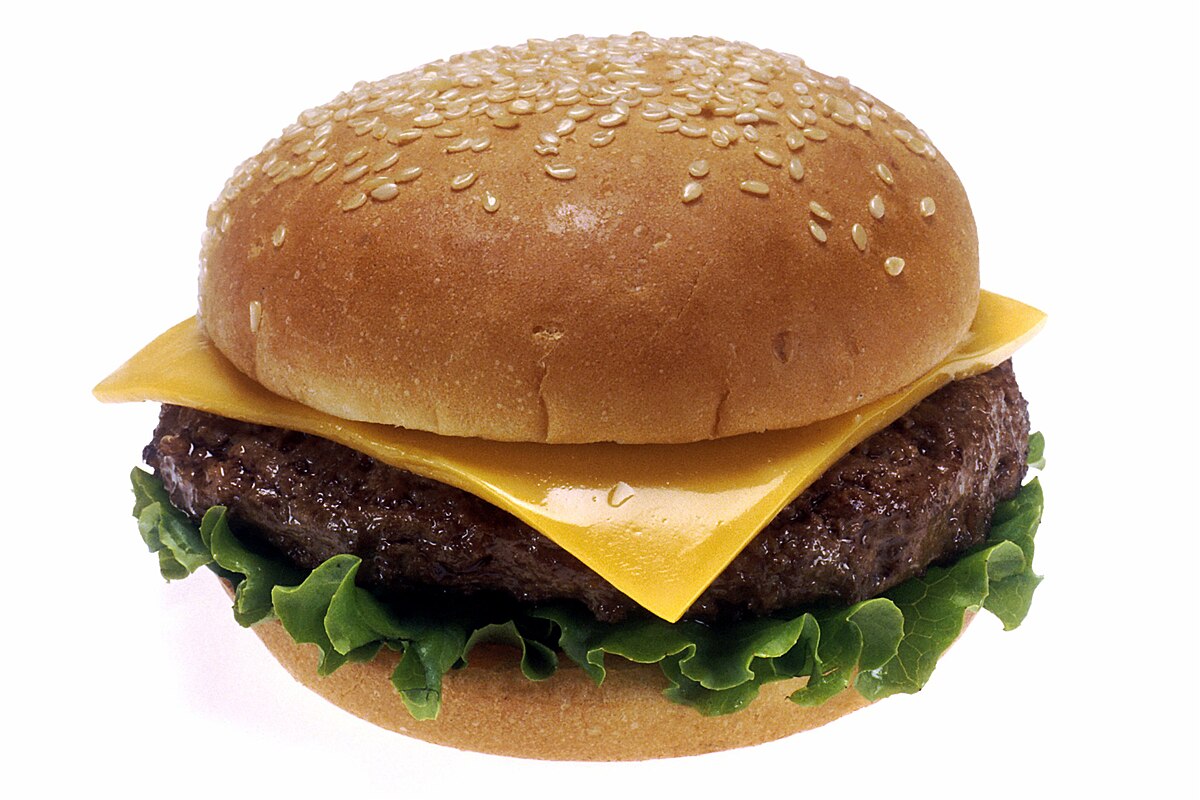
A cheeseburger demonstrates how combining carbohydrates, fat, and sodium triggers hyperpalatable reward responses. Renee Comet (photographer), Public domain, via Wikimedia Commons
The first group pairs more than 25% of calories from fat with over 0.30% sodium by weight, common in foods like cheese, bacon, and salami. The second group combines more than 20% of calories from fat with more than 20% of calories from simple sugars, seen in cake, ice cream, and chocolate. The third group contains more than 40% non-fiber, non-sugar carbohydrates alongside over 0.20% sodium by weight, typical of pretzels, crackers, and popcorn.
How hyperpalatable food disrupts appetite hormones
Normal digestion relies on chemical checkpoints to halt eating. The digestive tract releases hormones like glucagon-like peptide and cholecystokinin, while fat cells secrete leptin to signal fullness to the brain. When fasting, the stomach produces ghrelin to prompt hunger.
Hyperpalatable foods activate neurons in brain reward areas like the hypothalamus, generating strong feelings of pleasure. Regular consumption disrupts how the brain processes satiety signals, leaving people with active cravings even after consuming enough energy. Diets high in fat or sugar can also trigger hormone releases that blunt stressful emotions, reinforcing habitual consumption.
Health consequences and food addiction
Hyperpalatable foods are dense in calories, fat, sugar, and salt while lacking fiber and water. Consuming them promotes weight gain, impairs blood sugar and blood pressure control, and increases systemic inflammation, oxidative stress, and gut dysbiosis.
Repeated intake is linked to food addiction. This condition involves loss of control over eating, continuous preoccupation with food, and sustained consumption despite clear negative health outcomes.
Test yourself
Why might someone want dessert after a filling meal?
Rewarding food can keep eating appealing despite fullness. Hyperpalatable combinations can keep the reward system engaged, while fullness signals may arrive late or be overridden.
What makes food hyperpalatable?
Rewarding combinations can intensify pleasure and weaken fullness cues. Hyperpalatability comes from combinations such as fat with sodium or sugar, which can strongly activate reward and override fullness cues.
Why might someone want dessert after a filling meal?
Rewarding food can keep eating appealing despite fullness. Hyperpalatable combinations can keep the reward system engaged, while fullness signals may arrive late or be overridden.
Play the lesson in edgi and the card is yours. It lands on your Map next to the ideas it connects to, and turns from matte to foil to gold as you learn more around it.
What makes hyperpalatable foods different from ordinary foods?
Unlike whole foods, hyperpalatable items feature engineered combinations of concentrated fat, sugar, salt, and simple carbohydrates. These specific ratios trigger unusually high neuron activity in the brain's reward regions.
How do hyperpalatable foods affect the gut and immune system?
Because they are low in fiber and water, these foods alter the gut microbiome, leading to gut dysbiosis. This imbalance is linked to elevated oxidative stress and systemic inflammation, which directly impair immune function.