The mechanism
Classical computers use bits: 0 or 1. Like a light switch, it is either on or off. Quantum computers use qubits. Through a principle called superposition, a qubit can exist as 0, 1, or both at the exact same time.

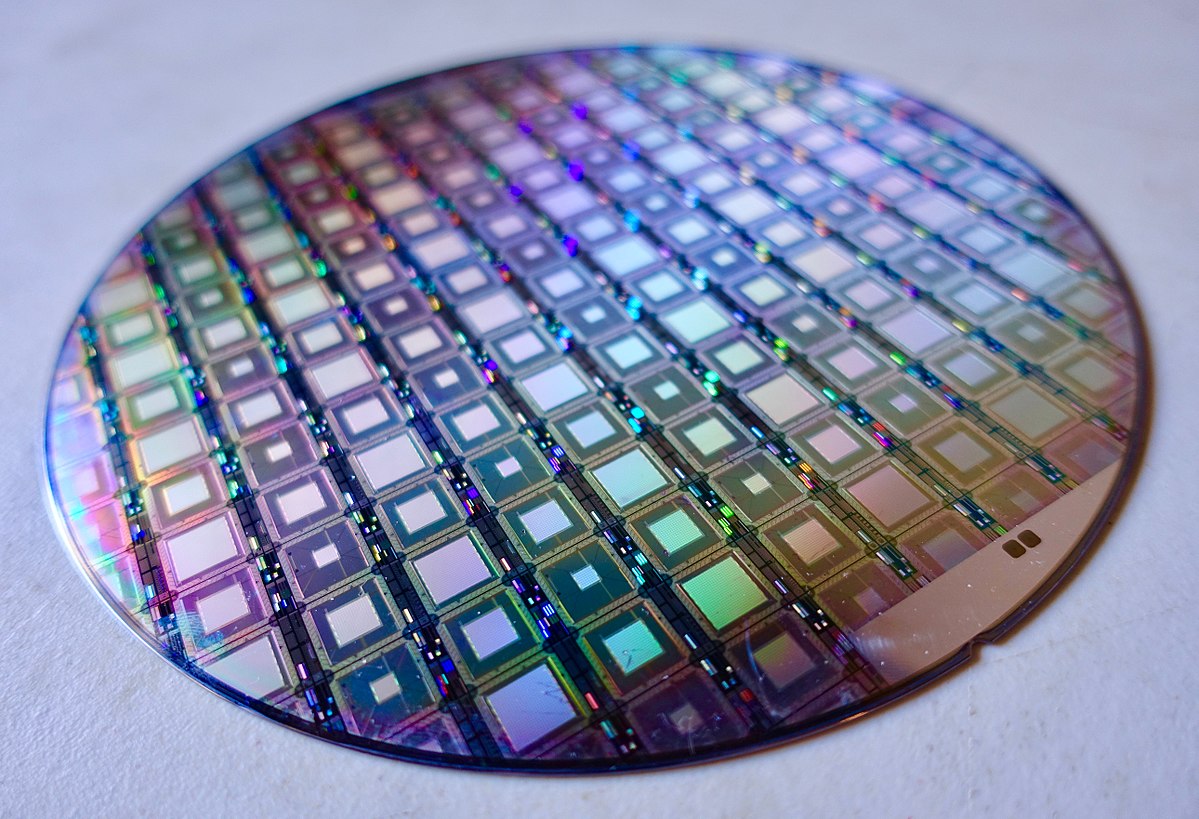
A quantum computer is a device that processes information using quantum states rather than classical binary switches. Instead of ordinary bits that are strictly 0 or 1, it uses qubits that can exist in a superposition of both states simultaneously. By steering how those states interfere, a large enough quantum computer could solve some specific problems exponentially faster than conventional hardware.

By the edgi team We find the most surprising true thing about an idea and build a 60-second lesson around it.
Classical computers use bits: 0 or 1. Like a light switch, it is either on or off. Quantum computers use qubits. Through a principle called superposition, a qubit can exist as 0, 1, or both at the exact same time.
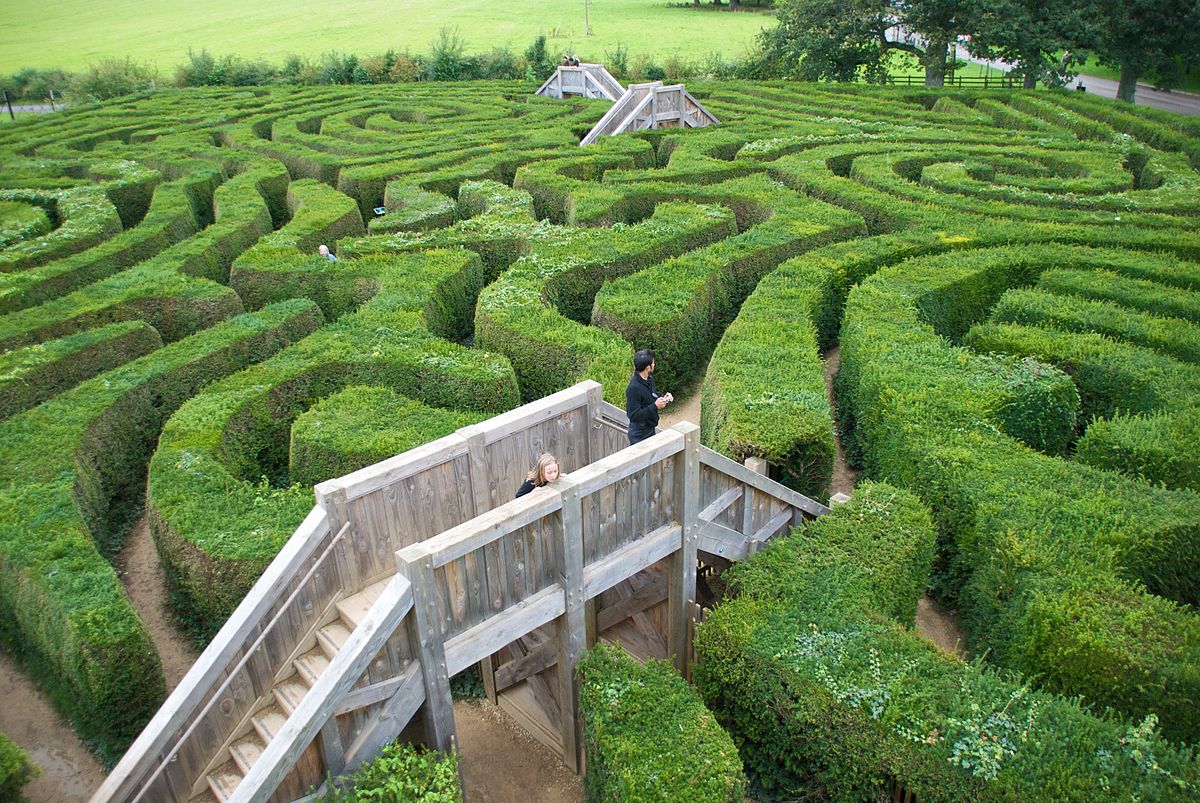
Imagine trying to find the exit of a massive maze. A classical computer hits every dead end, one by one. A quantum computer effectively hovers over the maze, seeing every path simultaneously.
In 1994, mathematician Peter Shor proved this could break modern encryption by factoring massive numbers in minutes rather than billions of years.
This power comes with a cost: extreme fragility. The no-cloning theorem states that you cannot copy quantum data without destroying the original state.
We are currently in the vacuum tube era of this tech, struggling with quantum error correction to keep these sensitive machines stable for more than a few seconds.
Classical computers run on bits, each set to either 0 or 1. A quantum computer uses quantum bits, or qubits, which can exist in a linear combination of both states at the same time. This property is known as superposition.
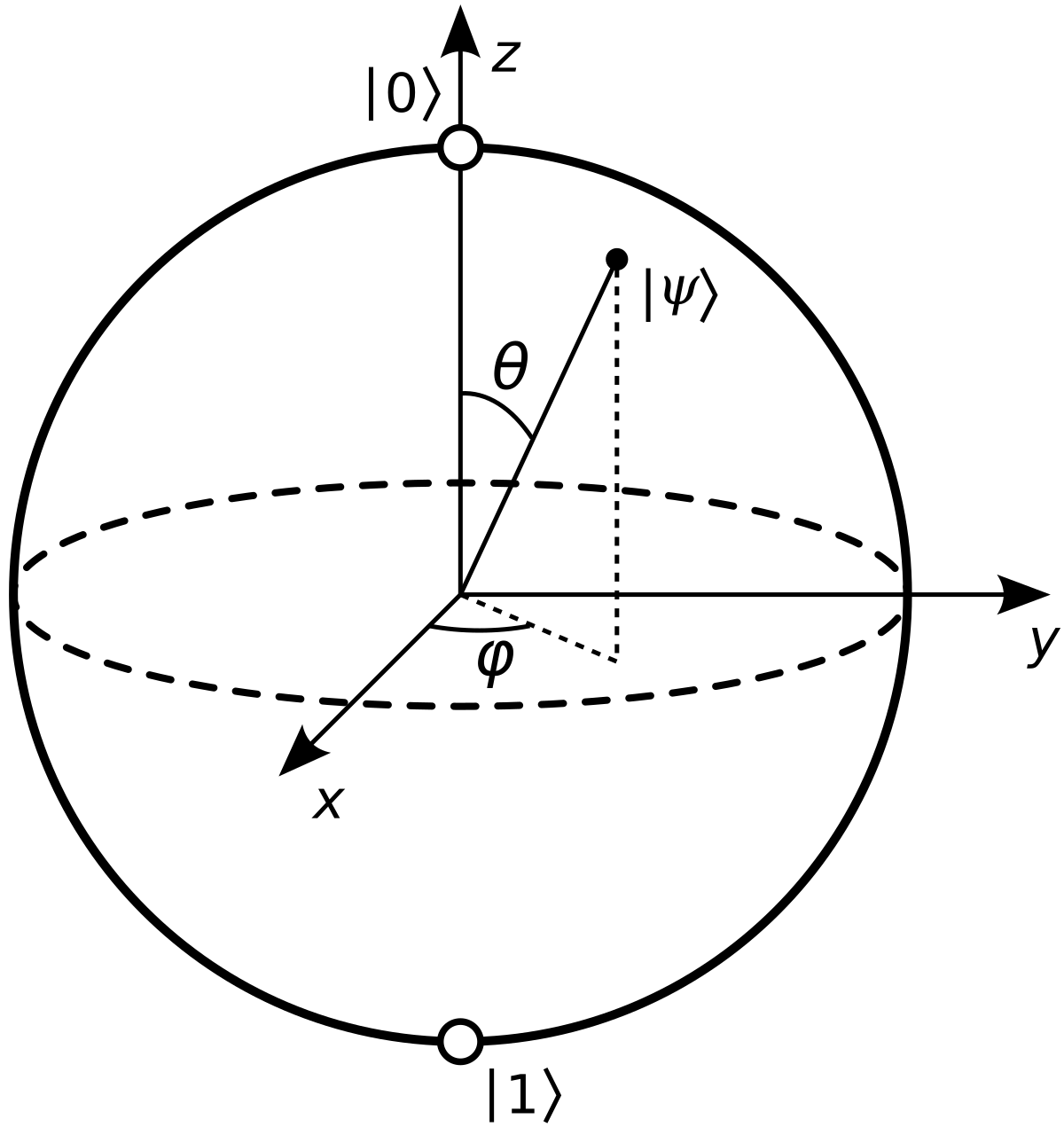
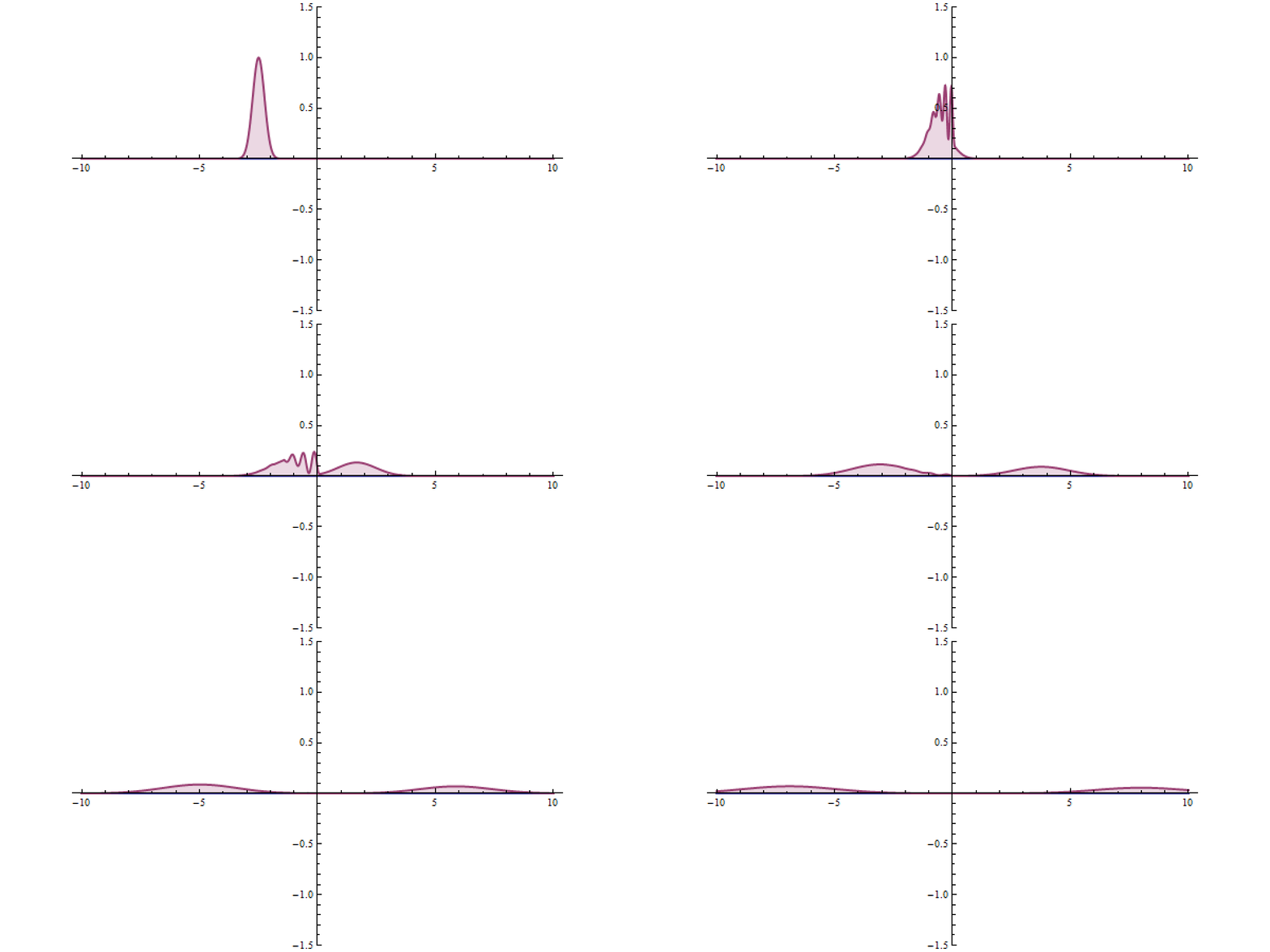
When a calculation runs, the machine manipulates qubits so that wave interference amplifies the probability of measuring the correct answer while canceling out wrong answers. Measuring a qubit collapses it into a single definite state according to probabilistic rules. By combining superposition with interference and entanglement, quantum algorithms can extract answers from complex mathematical structures without checking every possibility one by one.
Quantum states are extremely fragile. If a physical qubit interacts with its surroundings, it suffers from quantum decoherence, leaking its quantum information and introducing calculation errors.

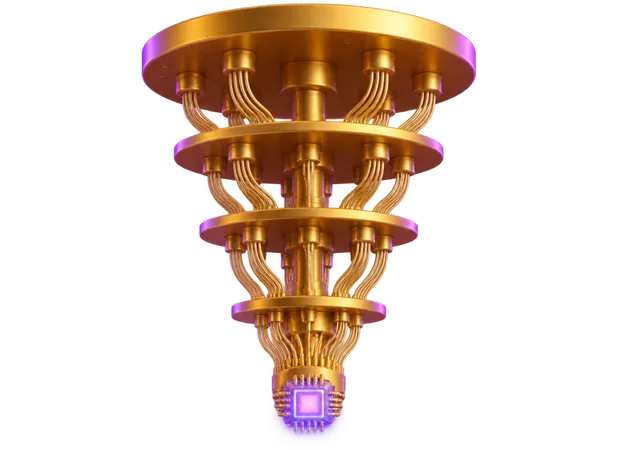
Engineers build qubits using technologies like superconductors, which remove electrical resistance, and ion traps, which hold single charged atoms in electromagnetic fields. Because the no-cloning theorem prevents copying unknown quantum states for simple backups, engineers rely on specialized quantum error correction to keep machines stable. Advances in 2024 were a step toward moving beyond today's noisy intermediate-scale devices to fault-tolerant systems, though building them at scale remains an engineering challenge.
Quantum computers do not speed up every task, but they could be far faster at some specific mathematical problems. In 1994, mathematician Peter Shor showed that a quantum computer could factor massive integers in polynomial time. That means a sufficiently large quantum machine could break standard public-key cryptography systems like RSA and Diffie–Hellman key exchanges.
These machines could also ease physical simulation bottlenecks identified by Richard Feynman and Yuri Manin in the 1980s. Classical computers face exponential slowdowns when simulating quantum dynamics. In 1996, Seth Lloyd proved that quantum hardware can simulate quantum physical systems without that exponential overhead, creating opportunities for specialized research in physics and chemistry.
What makes RSA hard to break with an ordinary computer?
Factoring a huge product is extremely slow. Multiplying primes is quick, but recovering them from the product has no known fast method on classical computers. RSA relies on that gap.
What does Shor's algorithm use quantum computing to do?
Find a repeating pattern that reveals the primes. Interference makes the period of a function stand out, and simple arithmetic turns that period into the factors. It does not simply test all answers at once.
A gate sequence only spreads qubits into equal blends, then measures. What do you get?
A random answer, like guessing. Without interference to cancel wrong answers, all outcomes keep equal probability. Measuring returns a single random result.
Collectible card
Play the lesson in edgi and the card is yours. It lands on your Map next to the ideas it connects to, and turns from matte to foil to gold as you learn more around it.
Quantum advantage, also called quantum supremacy, is the milestone where a quantum device outperforms classical computers on a specific task. Claims are contested: IBM argued that Google's 2019 result could be matched in about 2.5 days on its Summit supercomputer. The tasks used are not necessarily useful in the real world.
The no-cloning theorem is a fundamental rule of quantum physics stating that an identical copy of an arbitrary, unknown quantum state cannot be created. Because quantum data cannot simply be copied, engineers must use quantum error correction methods instead of traditional data backups.
Introduced in 1996, Grover's algorithm is a quantum algorithm that provides a proven speedup for searching unsorted databases. It demonstrates that quantum properties like superposition and interference can locate target items faster than classical search routines.
Part of the Set · 8 cards
Fire electrons at two slits one at a time, and they still paint stripes that no single particle should.
Learn the whole SetLesson complete
You finished the lesson. In edgi, the card goes on your Map next to everything else you learn.