Quantum TunnelingHow particles pass through barriers
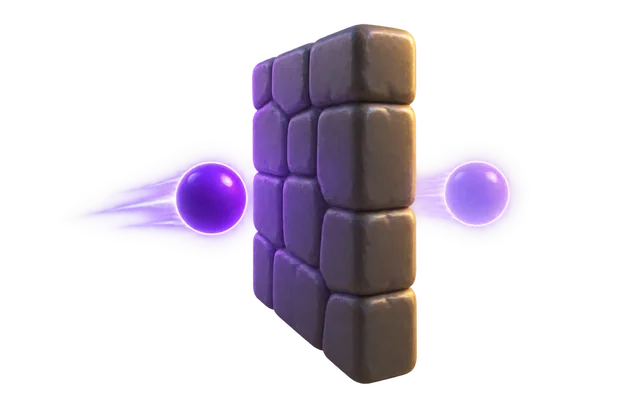
Quantum tunneling is a physical process where a particle passes directly through an energy barrier it lacks the energy to climb over. Because subatomic particles behave like probability waves rather than solid objects, part of their wave function can appear on the far side of a barrier. This probability allows particles like electrons and protons to cross physical and electrical obstacles that classical physics would call impassable.
By the edgi team We find the most surprising true thing about an idea and build a 60-second lesson around it.
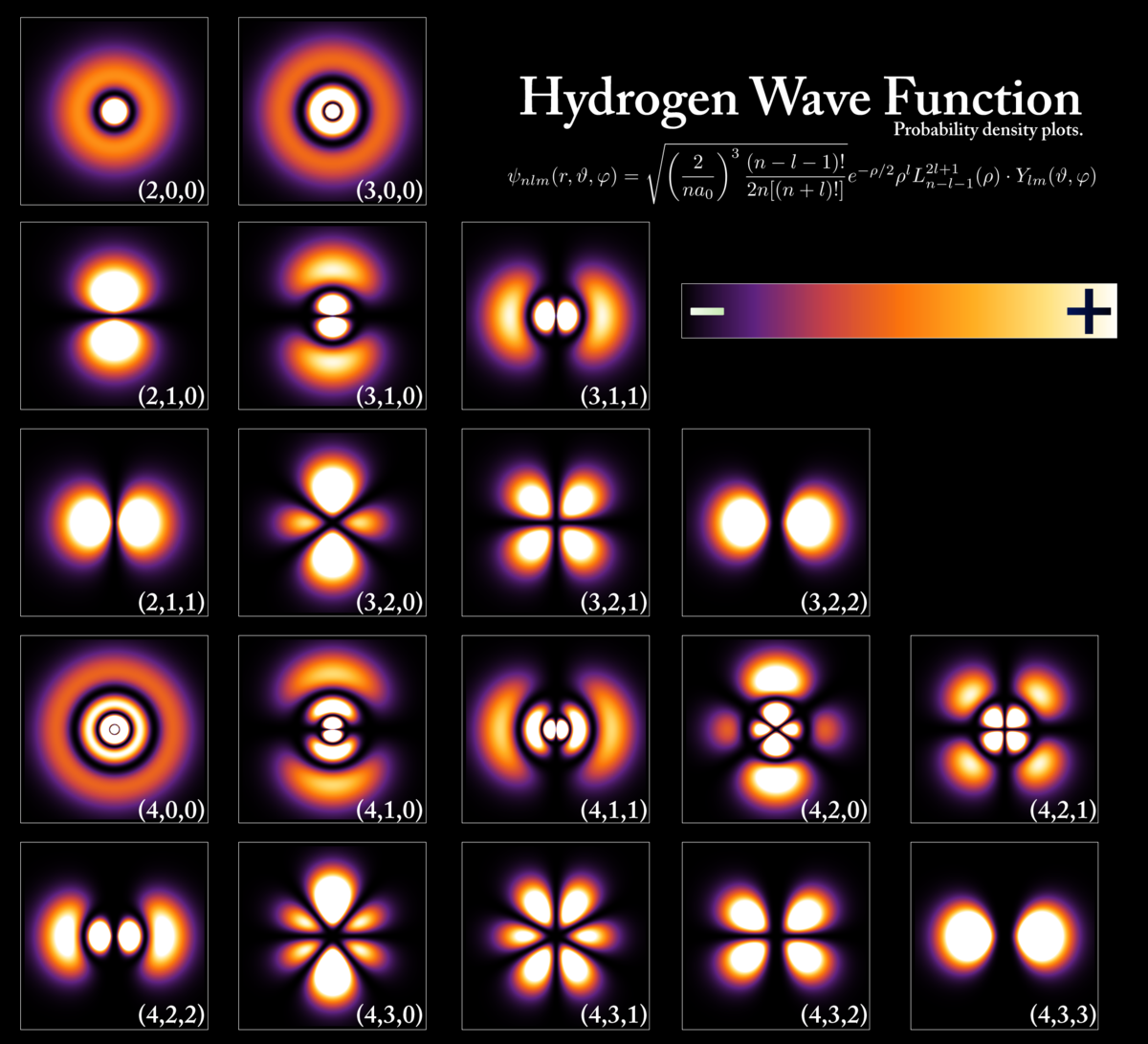
Imagine throwing a tennis ball at a brick wall. It bounces back every time. But at the subatomic scale, particles do not act like solid balls. They act like fuzzy clouds of probability.
Grid of probability density plots illustrating hydrogen wave functions at different energy levels, labeled with quantum numbers (n, l, m). PoorLeno (talk), Public domain, via Wikimedia Commons
This means there is a non-zero chance the particle simply appears on the other side of the barrier. It tunnels through.
Why the sun shines
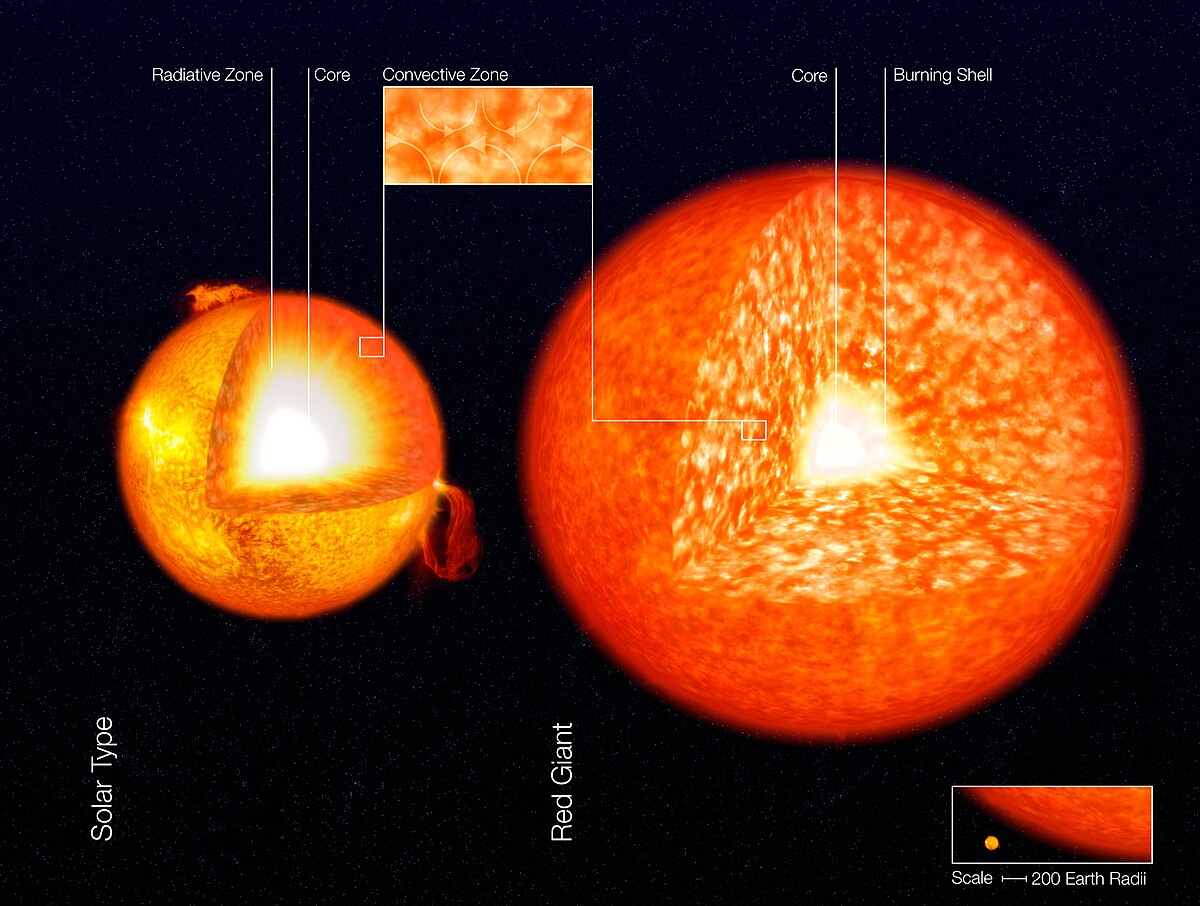
The core of the sun is hot, but not hot enough to force two hydrogen atoms to fuse. They should repel each other like magnets. They only fuse because they quantum tunnel through the electrical barrier that should keep them apart.
An artist's impression comparing the internal structure of the Sun (labeled "Solar Type" on the left) and its possible future as a red giant (on the right). ESO, CC BY 4.0, via Wikimedia Commons
Without this constant cheating, the sun would just be a cold, dark rock.
Seeing the invisible
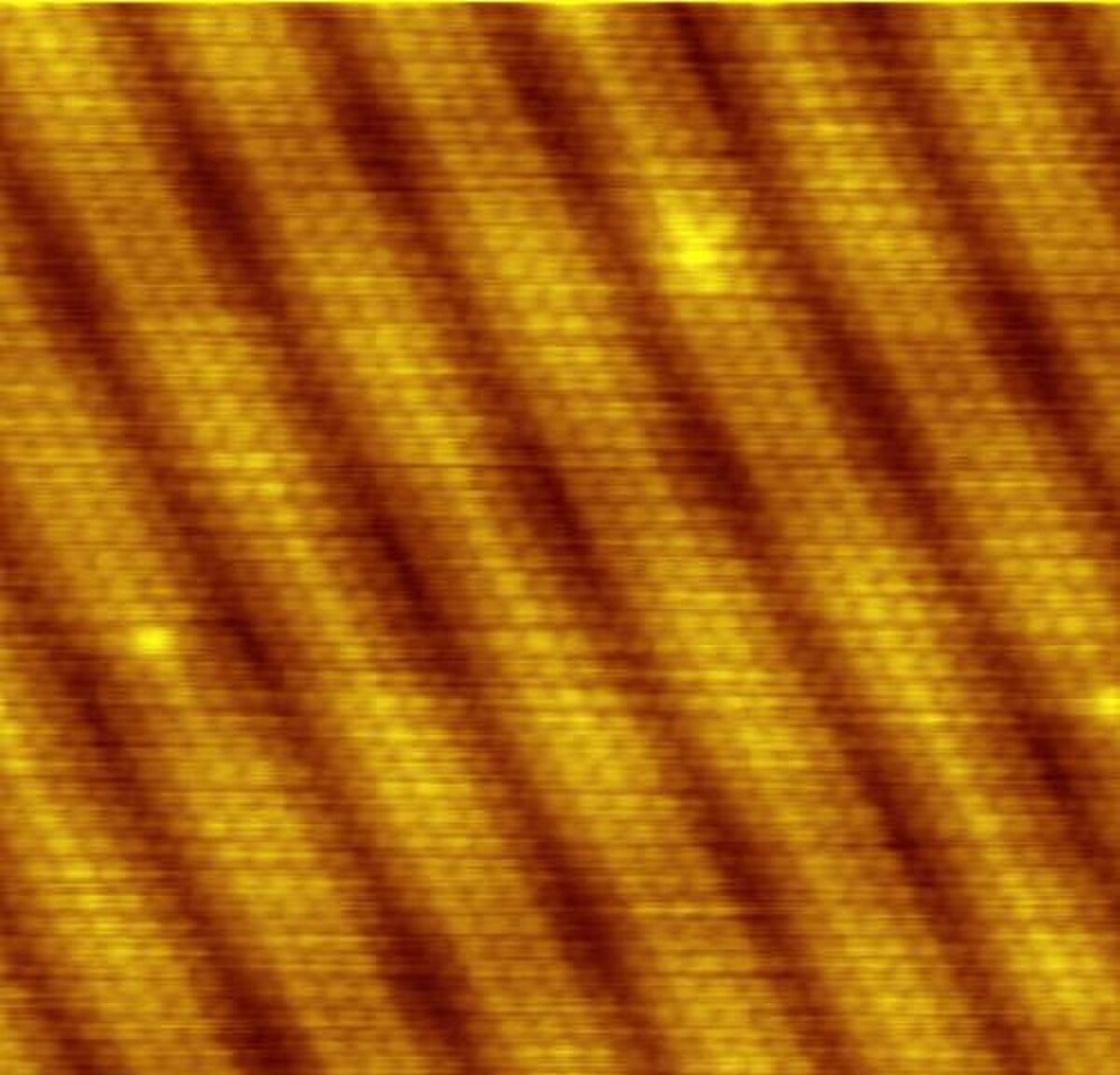
We even use this glitch to see atoms. A scanning tunneling microscope brings a sharp needle incredibly close to a surface.
An atomic resolution scanning tunneling microscope image shows the reconstruction on a clean (100) surface of gold. Erwinrossen, Public domain, via Wikimedia Commons
Electrons jump from the sample to the needle, creating a current that maps the atomic landscape.
How quantum tunneling works
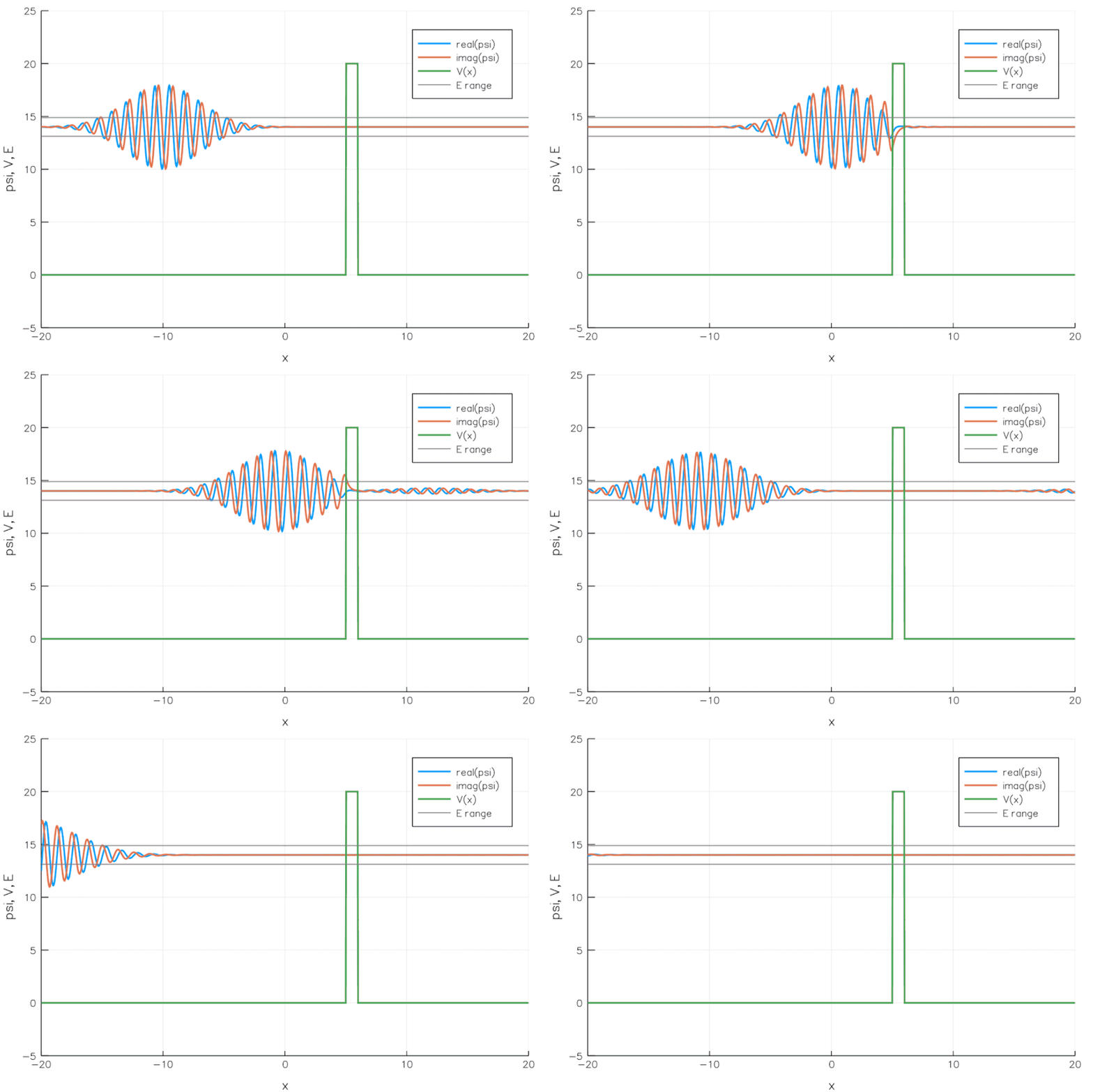
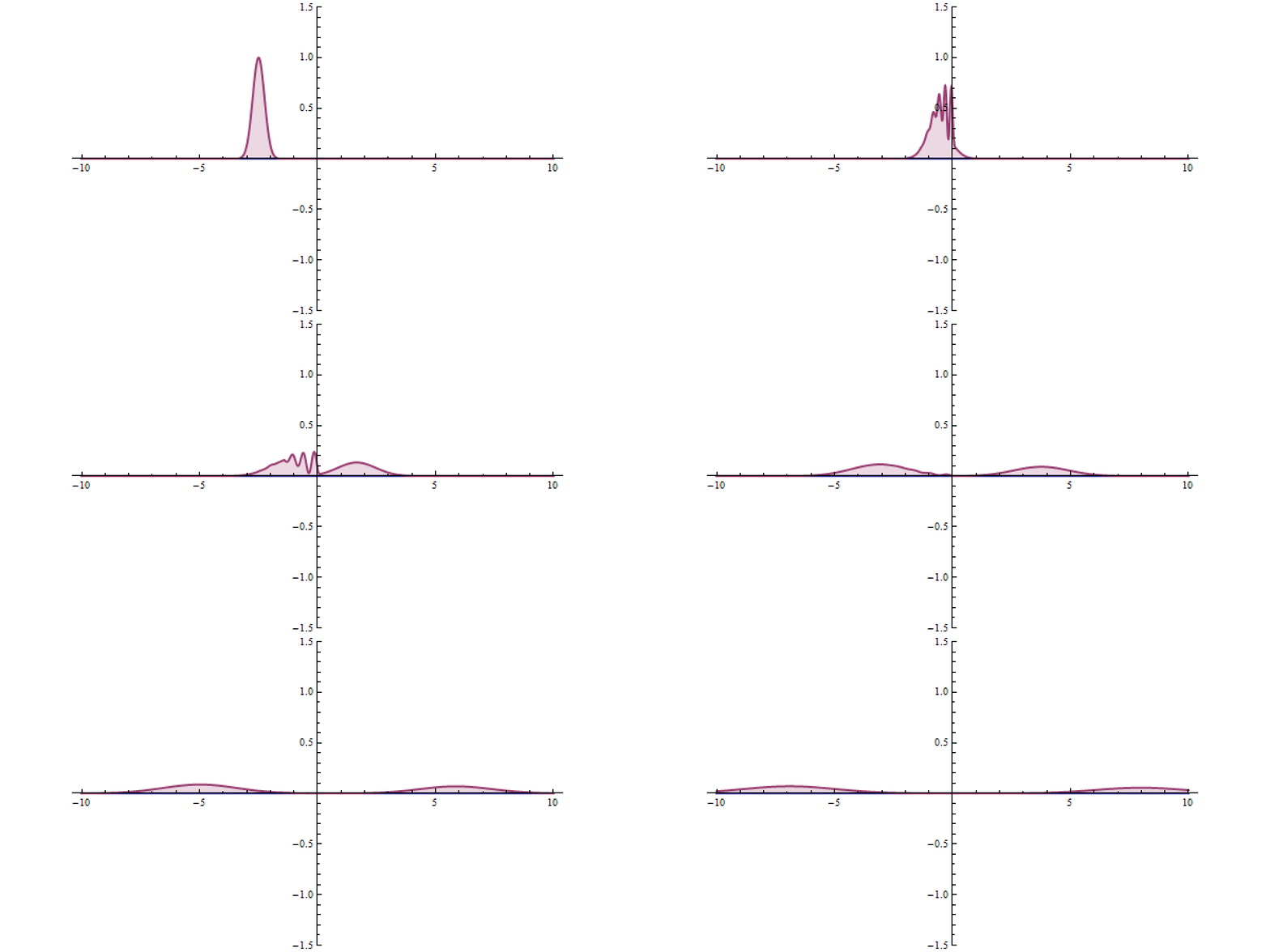
A particle's position and behavior are described by a mathematical wave function rather than a fixed trajectory. When this wave packet encounters a short, narrow potential barrier, the wave does not entirely bounce off. Part of it penetrates and emerges on the other side.
This simulation shows a wave packet hitting a barrier with energy higher than its own, allowing a portion of the wave to transmit directly through. Becarlson, CC BY-SA 4.0, via Wikimedia Commons
The likelihood that a particle makes it across falls exponentially as the barrier gets thicker, the barrier energy rises, and the particle's mass increases. Because light particles cross narrow gaps far more easily, tunneling appears most often in low-mass particles like electrons, though researchers have observed it in protons and entire atoms as well.
Everyday technologies that rely on tunneling
Tunneling makes modern electronics work while simultaneously setting their physical boundaries. Flash memory chips and tunnel diodes depend on electrons crossing barriers to store data and control electrical current. Scanning tunneling microscopes pass an electric current through the gap between a needle and a surface to map individual atoms.
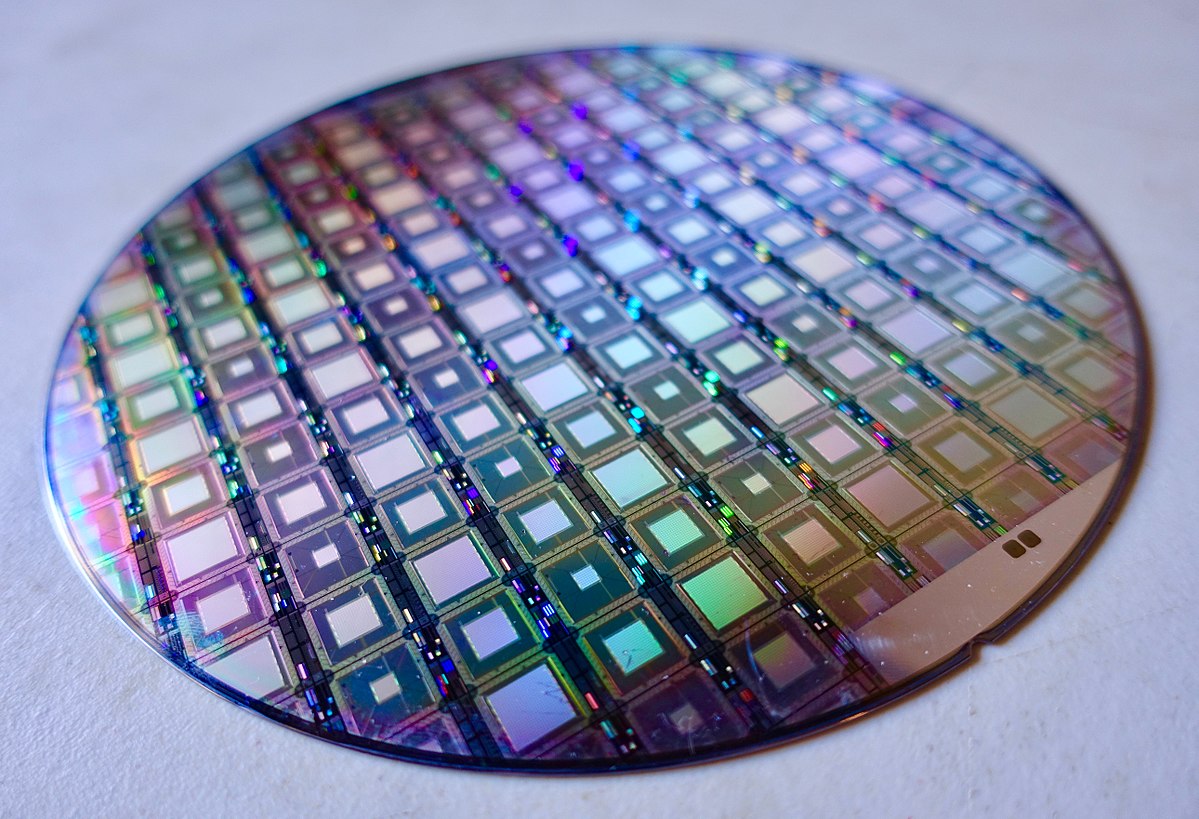
The effect also creates a hard limit for computer chips. When insulating layers and transistors are manufactured thinner than roughly one nanometer, electrons begin tunneling through them on their own, causing electrical leakage.
Test yourself
Which tunnels through a barrier more easily?
A hydrogen atom. Hydrogen is lighter, so its wave has a longer wavelength and leaks further into a barrier. Heavier atoms tunnel far less.
Replacing hydrogen with heavier deuterium in a reaction slows it a lot. What does this suggest?
Tunneling was helping the reaction. Tunneling depends strongly on mass, so a big drop in rate after adding mass points to tunneling. Deuterium still has a wavelength, just a shorter one.
Electrons face one wall of fixed thickness. What raises their tunneling chance?
Lowering the barrier's height. A lower barrier lets the wave function shrink more slowly, so more wave reaches the far side. A taller barrier or a heavier particle makes the wave die out faster.
Play the lesson in edgi and the card is yours. It lands on your Map next to the ideas it connects to, and turns from matte to foil to gold as you learn more around it.
Nuclear fusion in stars depends on hydrogen nuclei tunneling through their mutual electrical repulsion to fuse together. Alpha radioactive decay in unstable atomic nuclei also occurs because alpha particles tunnel out of the confining nuclear potential barrier.
Can light waves experience tunneling?
Yes. An optical analog called frustrated total internal reflection occurs when light reflects inside a prism and a second prism is placed within a few wavelengths of the surface, causing some light to cross the narrow gap.
Who first discovered quantum tunneling?
Friedrich Hund first applied the Schrödinger equation to a barrier problem in 1927. Leonid Mandelstam and Mikhail Leontovich discovered it independently in 1928, the same year George Gamow, Ronald Gurney, and Edward Condon used it to explain alpha decay.