Finance
48 ideas, each explained on one page with a 60-second lesson you can play right there.
-

 Auction
An auction is a process of buying or selling goods and services through bids, which are offers of a specific price or terms.
-
 Bankruptcy
 is a formal court process that helps insolvent people and businesses wipe out or reorganize debt rather than face ruin.
-
 Bretton Woods system
Learn how the Bretton Woods system pegged global currencies to the US dollar and gold, why it collapsed in 1971, and how it shaped modern finance.
-
 Central Bank
A central bank is a financial institution that manages the monetary policy of a country or monetary union.
-
 Collateral (finance)
Collateral is a specific asset or property that a borrower pledges to a lender to secure repayment of a loan.
-
 Compound Interest
Compound interest adds earned interest back to your starting principal, causing savings and debts to grow faster over time.
-
 Credit card debt
 is money owed to a card issuer after buying goods or services and not paying the balance immediately.
-
 Debt collection
 is the process of pursuing payments of money or other agreed value owed by a person or business to a creditor.
-
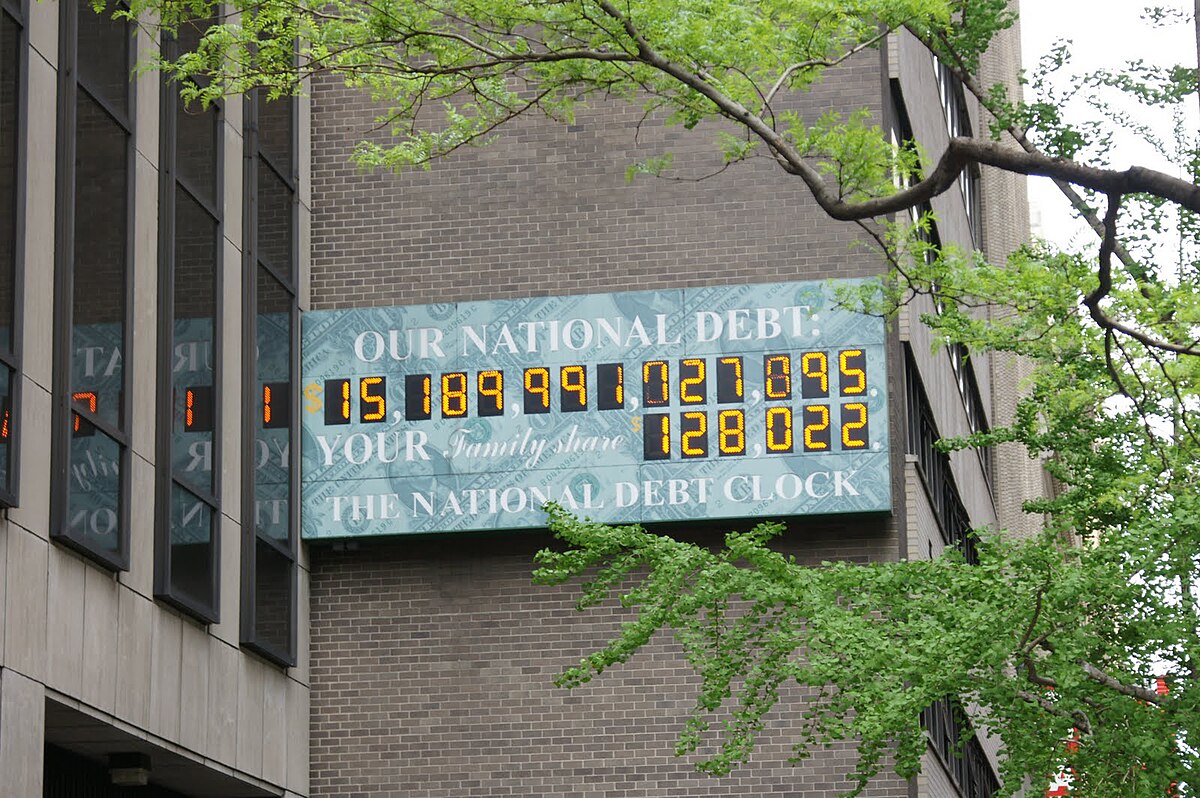 Deficit spending
 is the amount by which spending exceeds revenue over a specific period, usually a single fiscal year.
-
 Diversification (finance)
Diversification spreads investments across different assets to reduce overall risk and volatility without hurting expected returns.
-
 Dollar-cost averaging
 invests a fixed sum on a set schedule, automatically buying more units when prices fall and fewer when they rise.
-
 Dot-com bubble
The dot-com bubble was a massive rise and sudden crash in the stock prices of internet companies during the late 1990s.
-
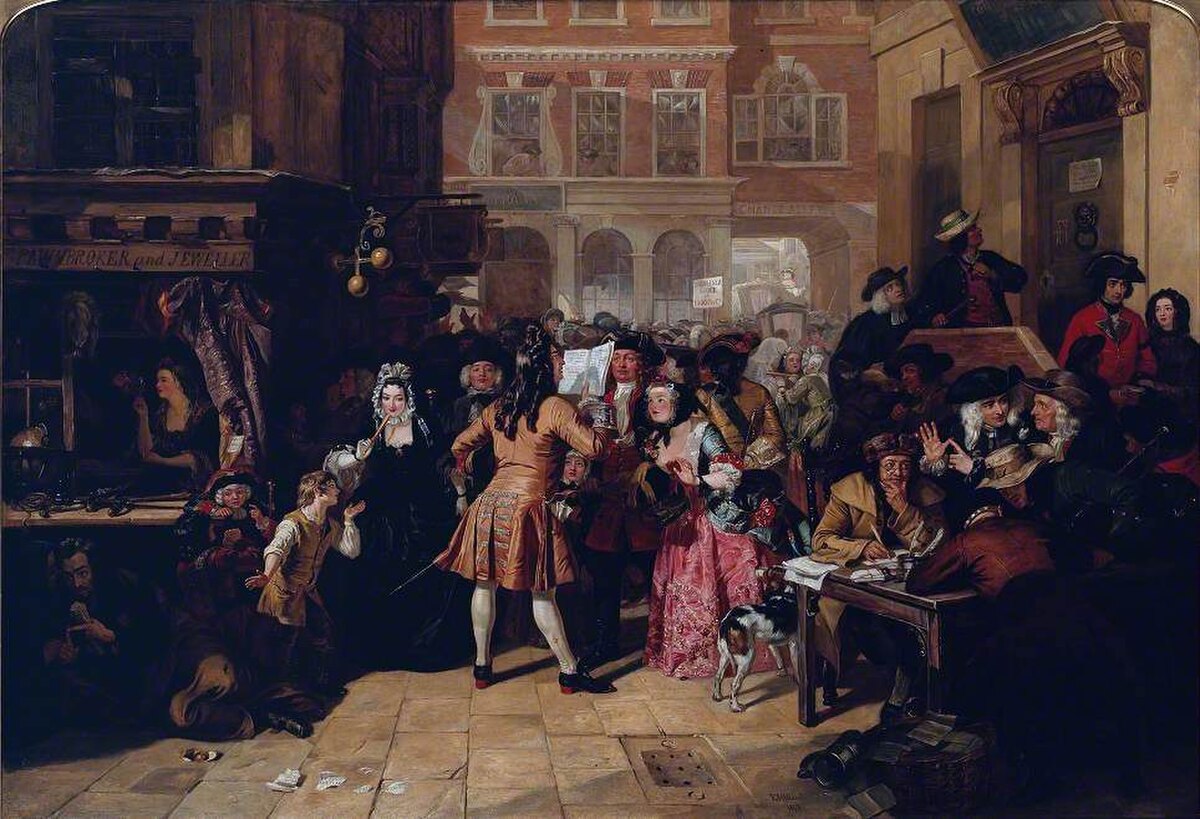 Economic bubble
An economic bubble happens when asset prices surge far past their real fundamental value, driven by easy liquidity and market psychology.
-
 Efficient Market Hypothesis
The Efficient Market Hypothesis is an economic theory stating that asset prices always reflect all available information.
-
 Expense ratio
An expense ratio is the percentage of your total invested money taken out each year to cover running a fund.
-
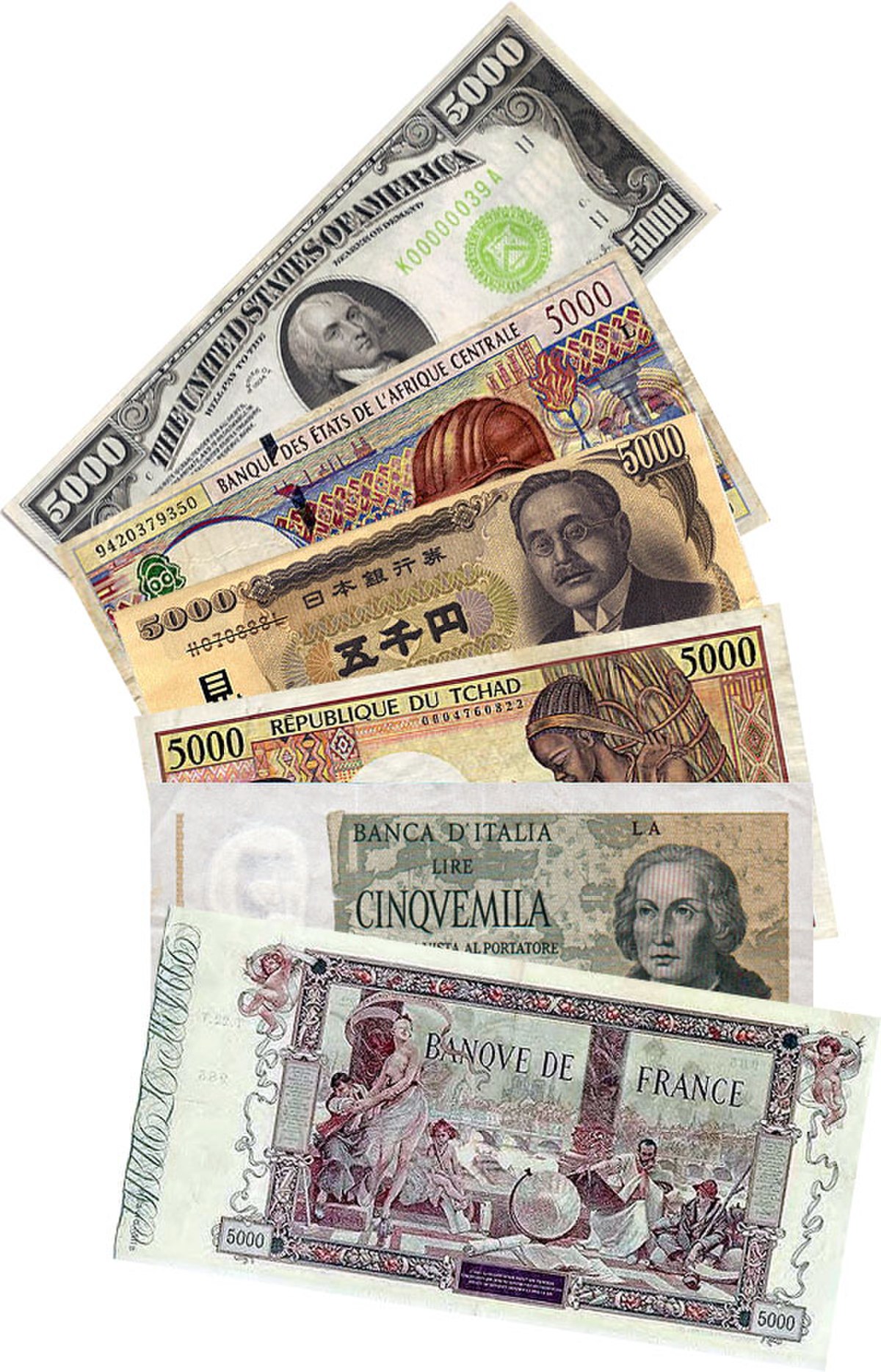 Fiat Currency
Fiat currency is money issued by a government that is not backed by gold, silver, or any other physical asset.
-
 Garnishment
 allows creditors to take money directly from a debtor's employer or bank to satisfy an unpaid debt or legal judgment.
-
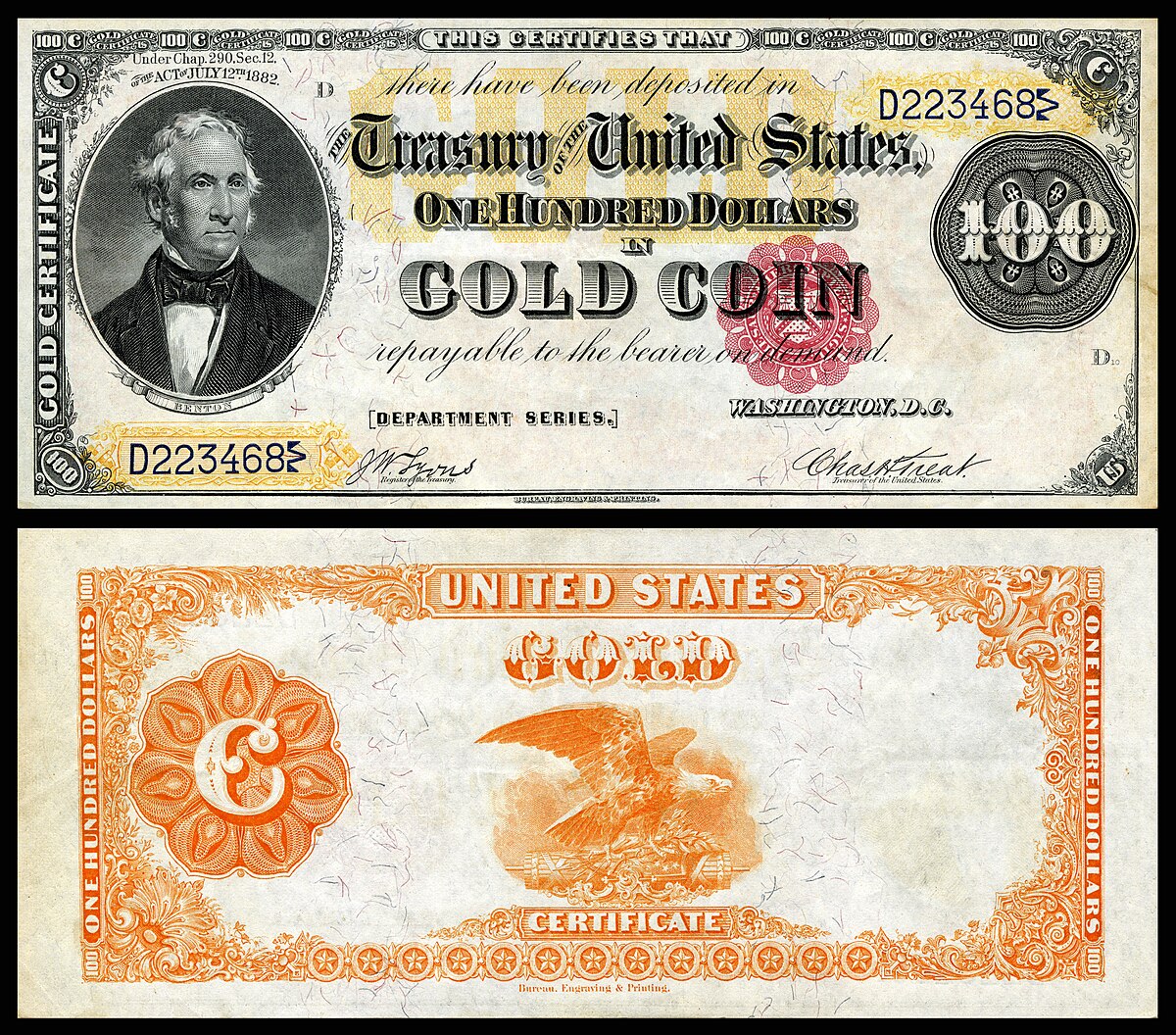 Gold Standard
A gold standard is a monetary system where the basic unit of currency is defined as a fixed quantity of gold.
-
 Hedge Funds
How hedge funds use leverage, short selling, and complex trading to make money whether financial markets rise or fall.
-
 Index Fund
An index fund mirrors a published market list instead of picking stocks, cutting fees and reliably outperforming most active managers over time.
-
 Inflation
 is a general rise in the average price of goods and services across an entire economy.
-
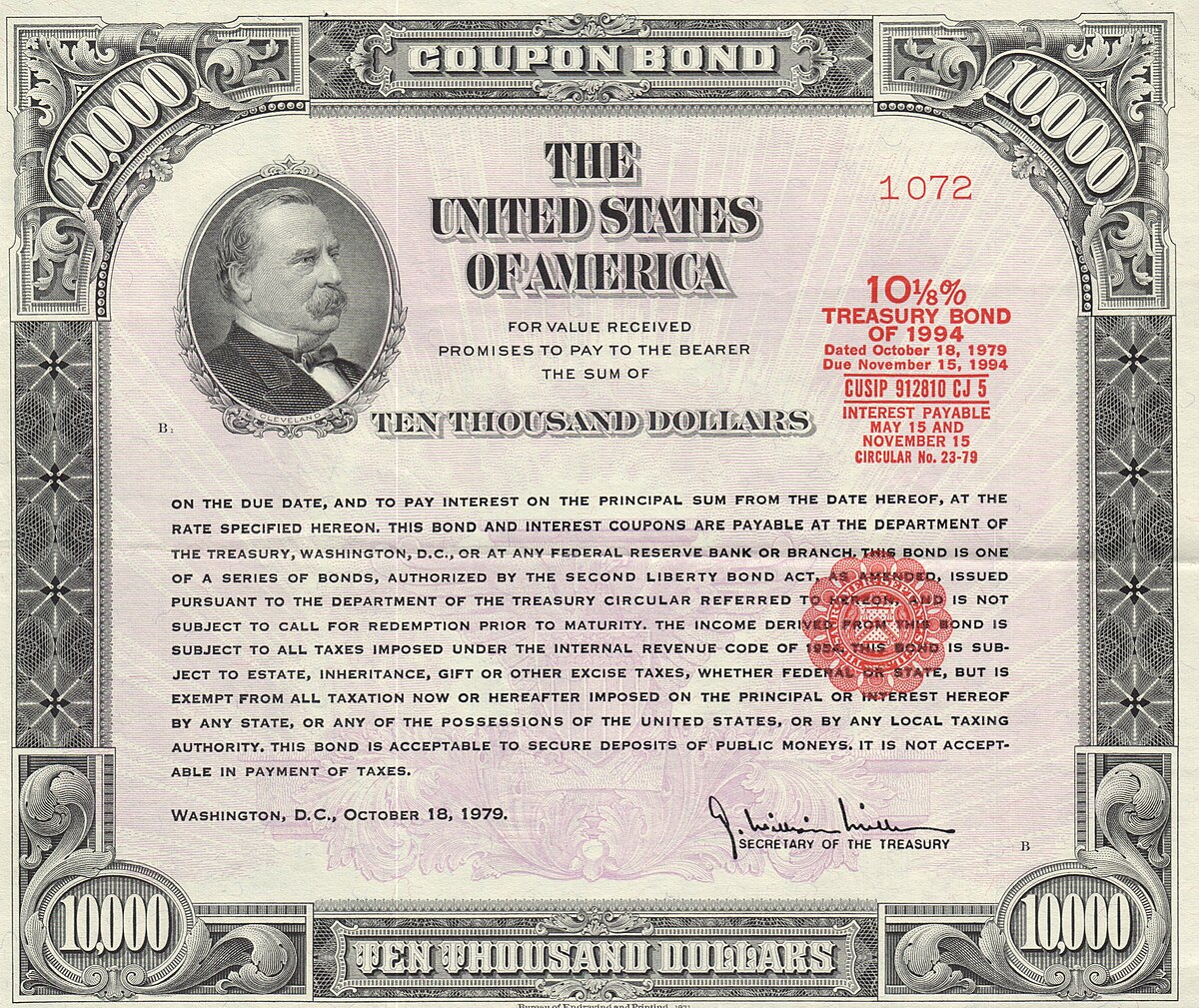 Interest
 is an extra fee a borrower pays to a lender on top of returning the original amount borrowed.
-
 Investment
An investment is the commitment of money or resources into an asset with the goal of gaining more money or value over time.
-
 Lifestyle creep
 occurs when higher income leads to higher spending at the same rate, turning optional luxuries into perceived daily necessities.
-
 Margin (finance)
Margin is the collateral deposited with a broker to borrow funds or securities, enabling leverage while risking forced liquidation.
-
 Market liquidity
 is a market feature that lets you buy or sell an asset quickly without forcing a major change in its price.
-
 Market timing
 is an investment strategy where you buy or sell assets by trying to predict future market price movements.
-
 Maturity (finance)
Maturity is the exact date when a loan, bond, or other debt must be fully repaid to the lender.
-
 Mental accounting
 explains how people separate identical money into subjective buckets, changing how they spend and evaluate financial decisions.
-
 National debt of the United States
The cumulative money borrowed by the US government to cover budget deficits, tracked as outstanding Treasury securities.
-
 Net worth
 is the total value of everything you own minus everything you owe.
-
 Open market operation
An open market operation is the buying or selling of government bonds by a central bank to manage interest rates and liquidity.
-
 Payday loan
A payday loan is a small, short-term unsecured loan designed to be repaid in full when the borrower receives their next paycheck.
-
 Personal Finance Fundamentals
Personal finance covers budgeting, saving, and investing.
-
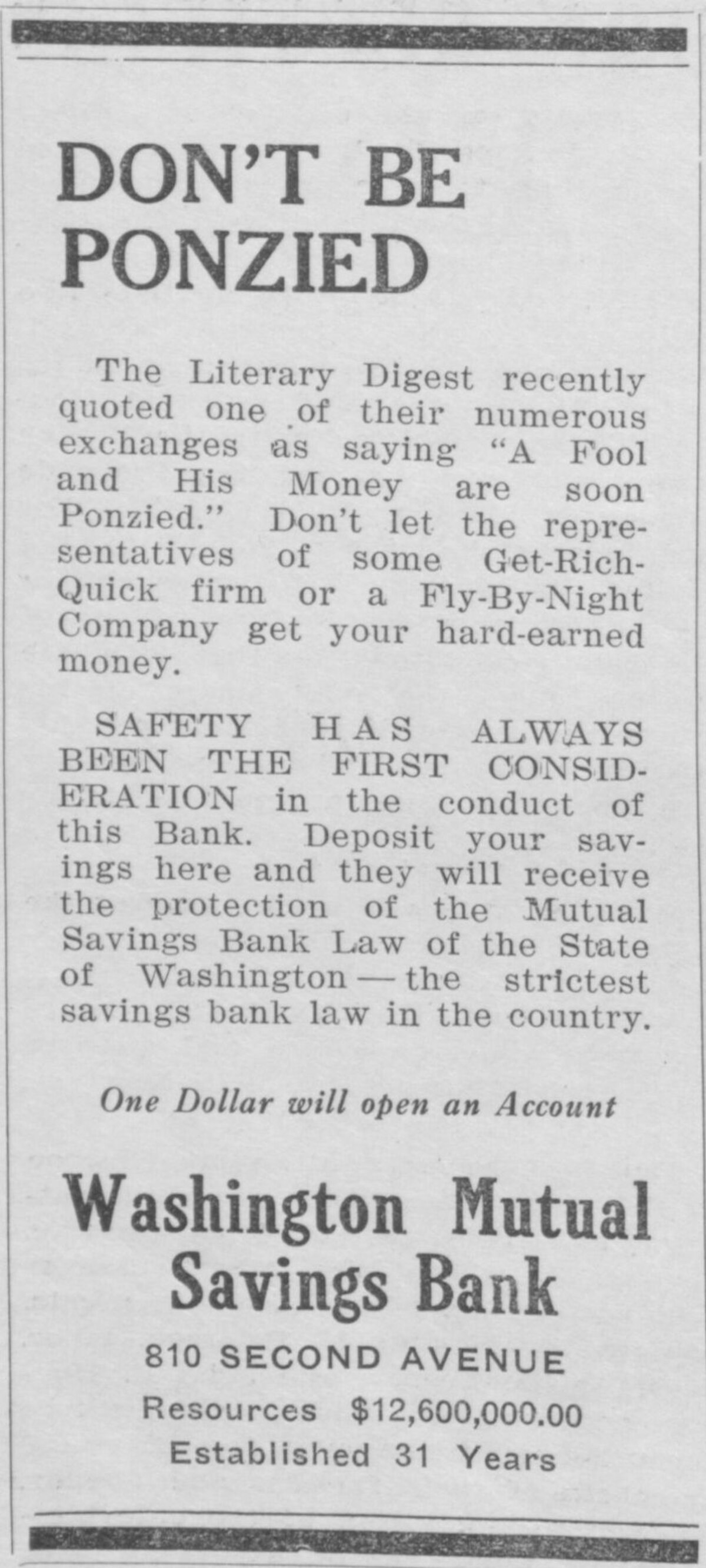 Ponzi Schemes
Ponzi schemes are investment frauds that generate zero real profit, paying early backers using deposits taken from newer victims.
-
 Prospect theory
 is an economic theory describing how real people make decisions involving risk and uncertainty.
-
 Slot machine
A slot machine picks its result with a random number generator the instant you press spin.
-
 Speculation
 is trading assets purely to profit from short-term price swings rather than underlying business or commodity value.
-
 Stock Market
A stock market is a collection of buyers and sellers trading shares, which represent fractional ownership claims on companies.
-
 Stock market crash
A stock market crash is a sudden, dramatic drop in share prices across a major part of the market, causing a massive loss of paper wealth.
-
 Sunk cost
A sunk cost is money, time, or effort that has already been spent and cannot be recovered by any future choice.
-
 Tulip Mania
In 1630s Holland, prices for rare tulip bulbs soared to the cost of luxury homes before collapsing in history's first asset bubble.
-
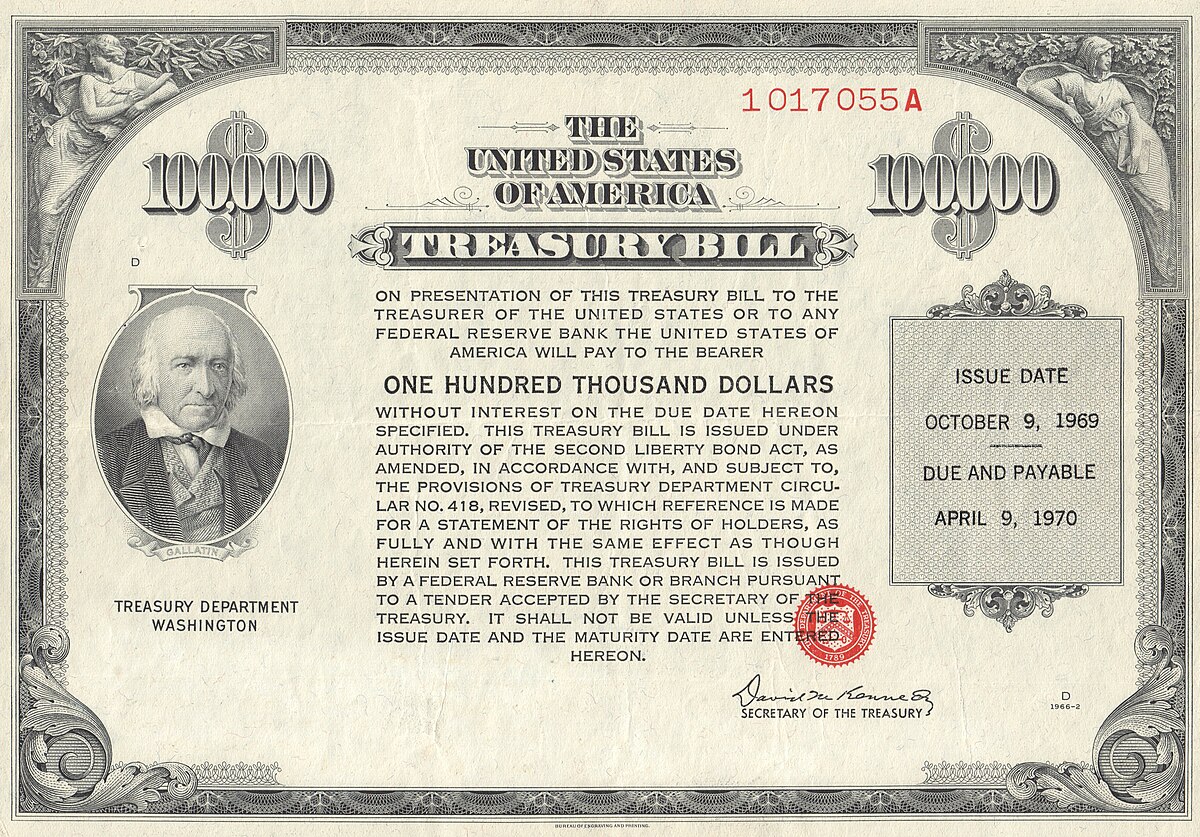 United States Treasury security
United States Treasury securities are debt instruments issued by the government and used as cash equivalents worldwide.
-
 US Dollar
The US dollar is the official currency of the United States and the primary currency used in global trade and finance.
-
 Usury
Usury is the practice of lending money at interest rates that are unfairly high or exceed legal limits.
-
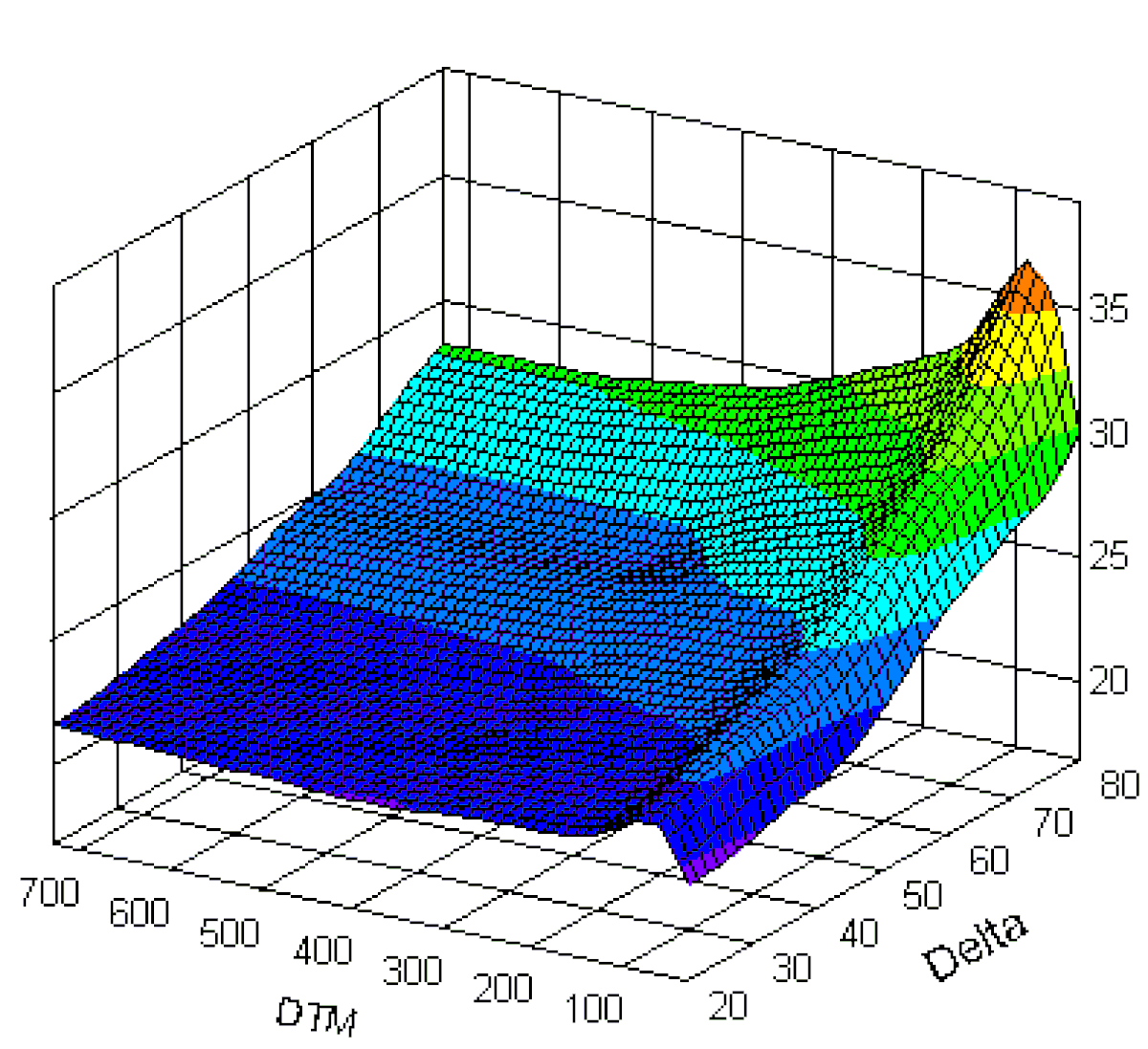 Volatility (finance)
Volatility is a statistical measurement of how much an asset's price swings over time, calculated as the standard deviation of its returns.
-
 Yield curve
A yield curve is a line graph that compares the interest rates of bonds from the same issuer across different lengths of time.
-
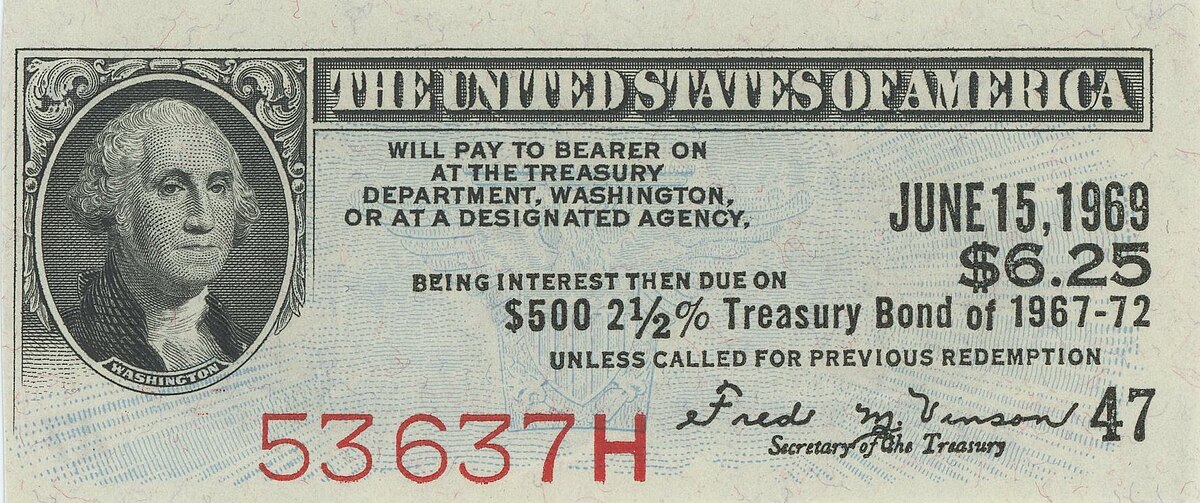 Yield to maturity
 calculates the total annual return on a bond held to the end, factoring in its market price, regular payments, and face value.