Physics
31 ideas, each explained on one page with a 60-second lesson you can play right there.
-

 Anthropic principle
The anthropic principle explains that we observe physical constants suitable for life because observers cannot exist in a universe without them.
-
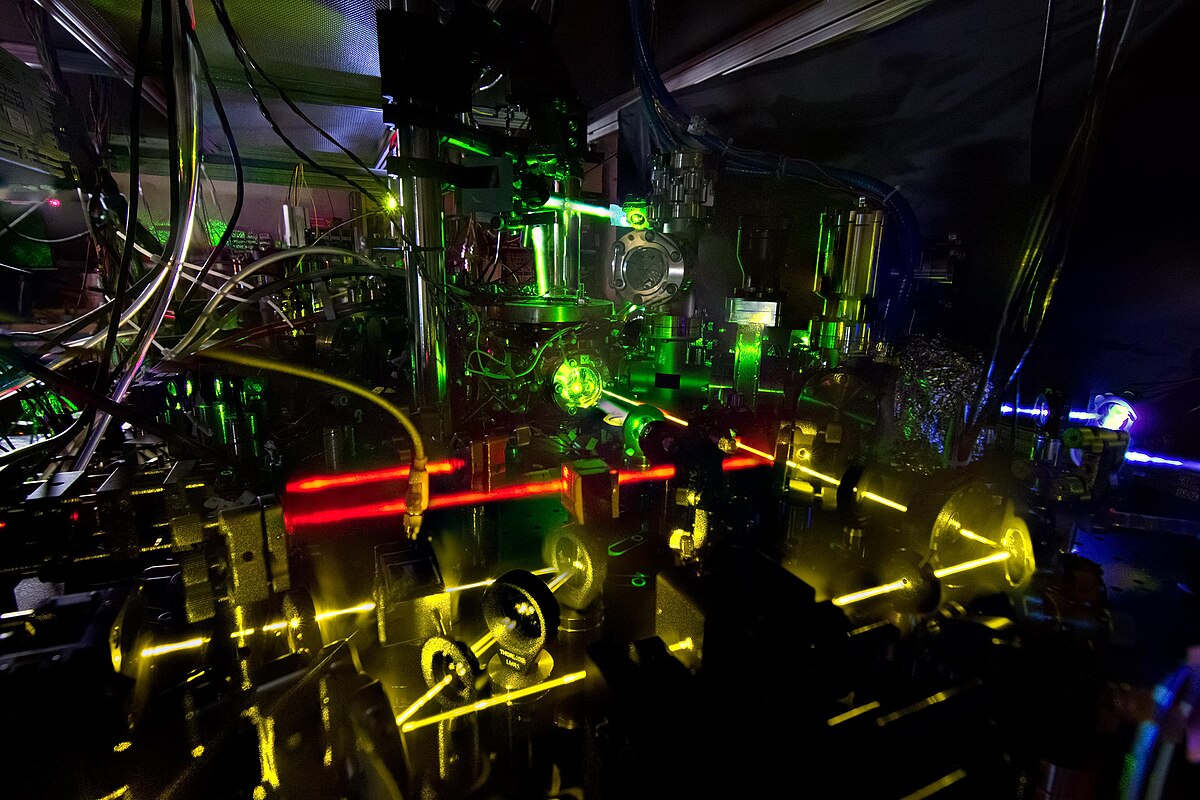 Atomic Clock
Atomic clocks measure time using resonant atomic frequencies, defining the SI second as 9,192,631,770 oscillations of a caesium-133 atom.
-
 Block Universe
The block universe theory treats time as a fourth dimension where past, present, and future events are all equally real and fixed.
-
 Blue
Blue is light with wavelengths between 450 and 495 nanometers.
-
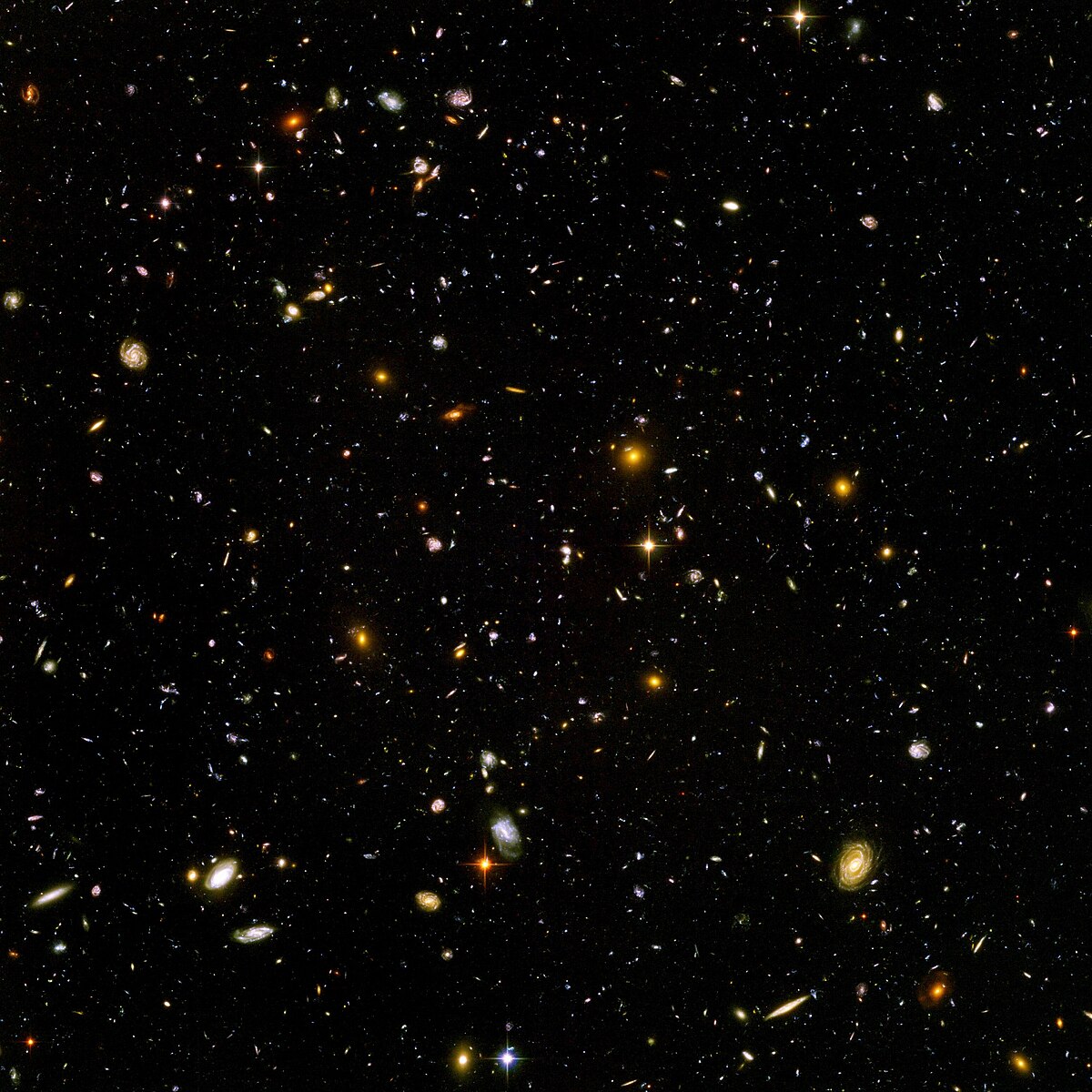 Copernican Principle
The Copernican principle states that Earth occupies an average position in space and that humans are not privileged observers of the universe.
-
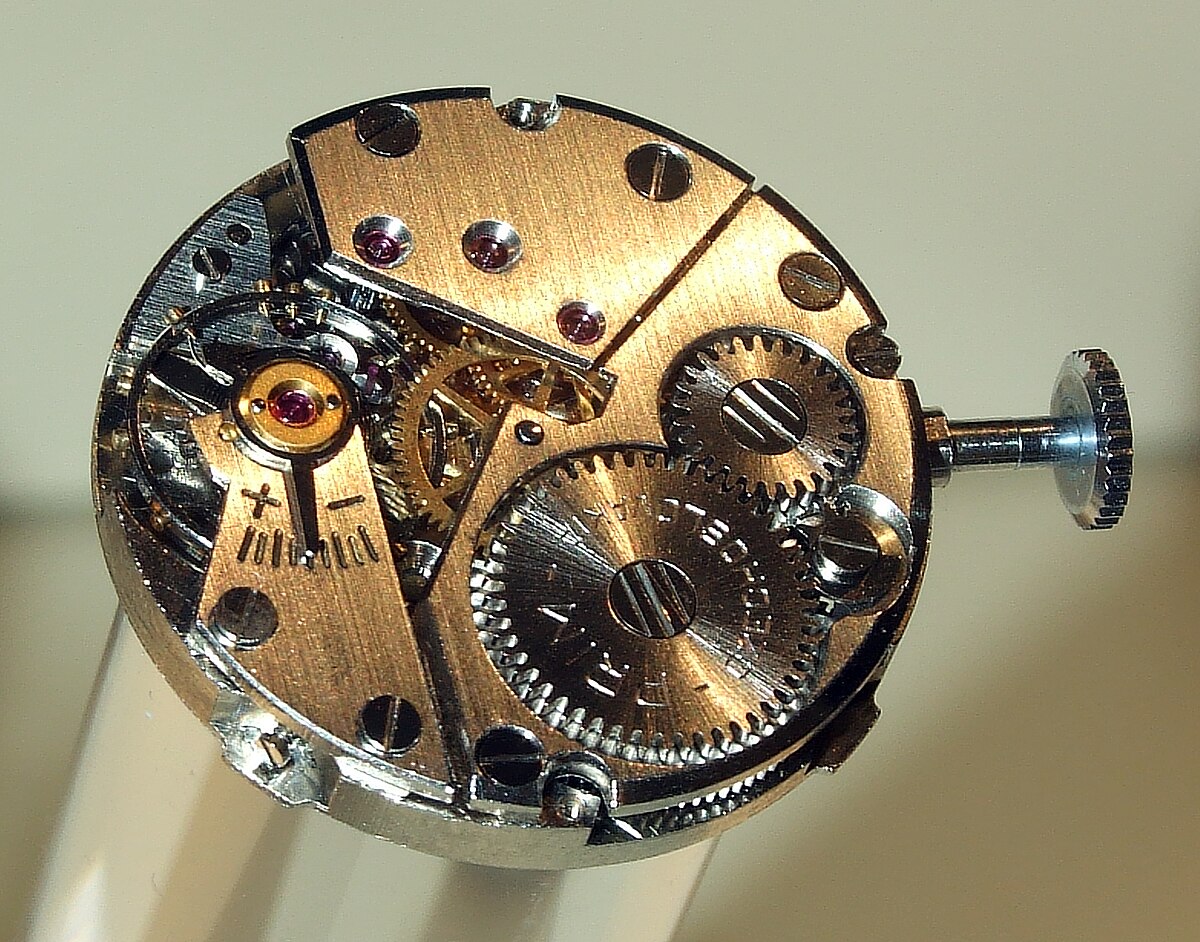 Determinism
 is the philosophical view that every event is the inevitable result of preceding events and the laws of nature.
-
 Doppler Effect
The Doppler effect changes the observed pitch or frequency of waves when a source and observer move relative to each other.
-
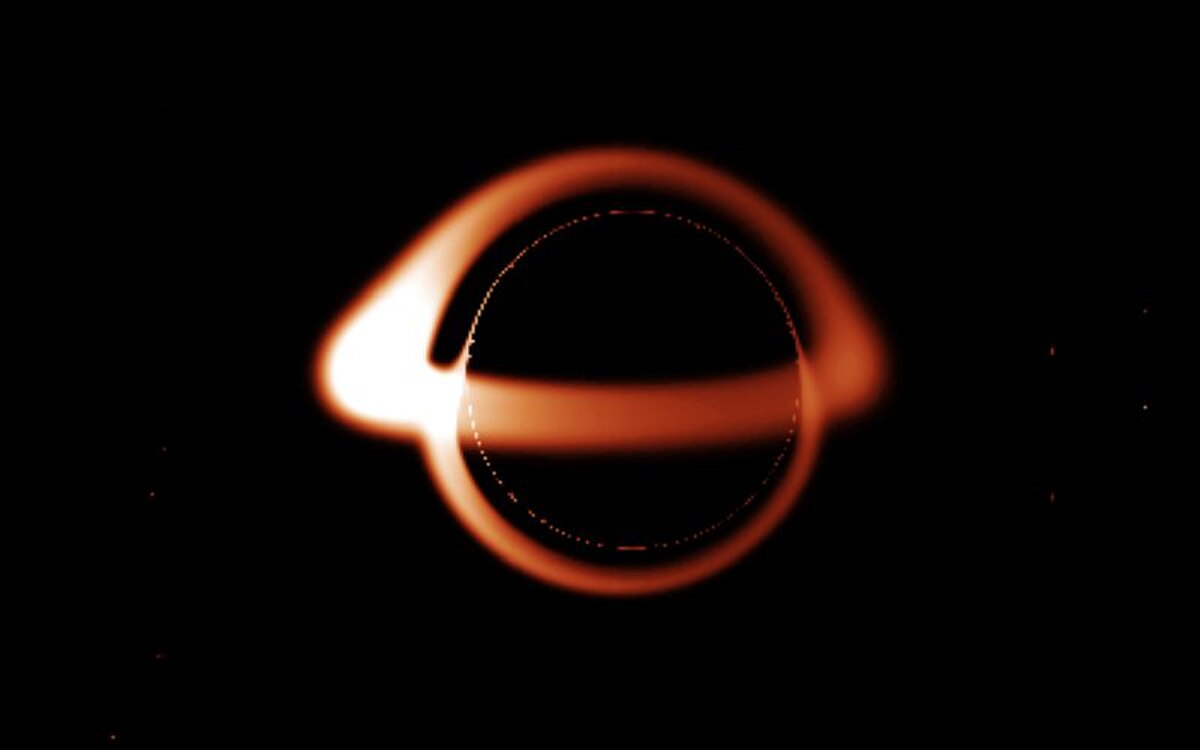 Doppler Effect of Light
The Doppler effect of light shifts the wavelength and frequency of electromagnetic waves when a light source and observer move relative to each other.
-
 Double-Slit Experiment
How the double-slit experiment proved wave-particle duality by showing light and matter act as waves until they are measured.
-
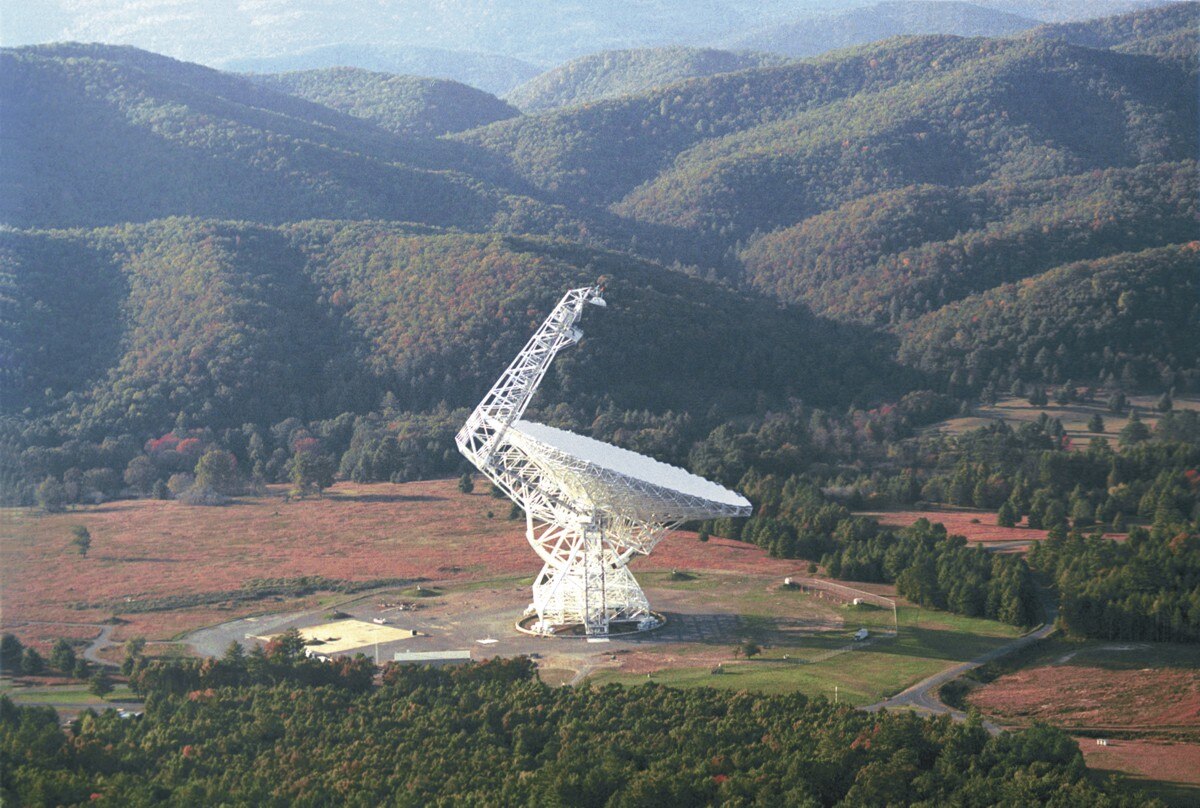 Drake Equation
The Drake equation is a mathematical formula that estimates how many active, communicative alien civilizations exist in our galaxy.
-
 Entropy
 is a measure of how widely energy in a system spreads out and becomes unavailable to do useful work.
-
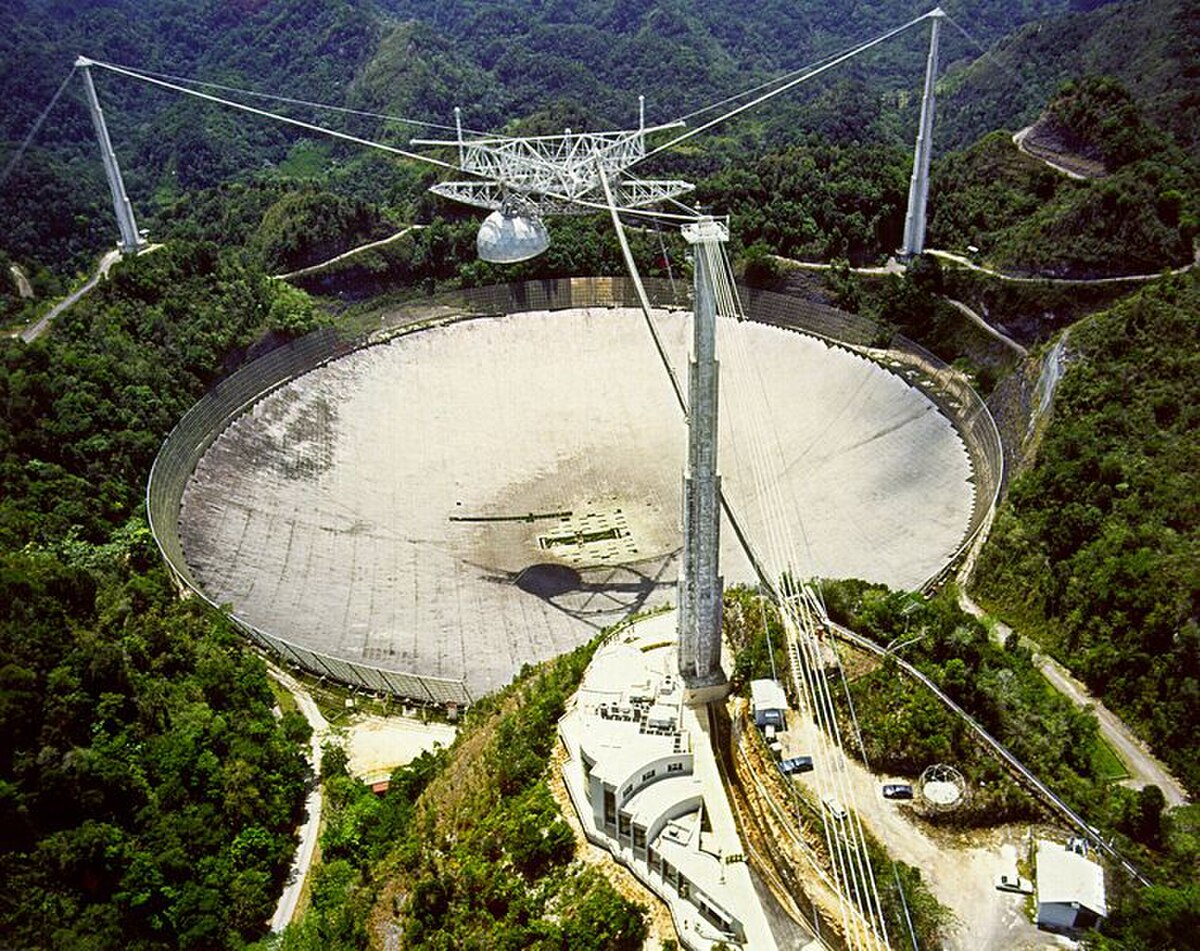 Fermi Paradox
The Fermi paradox exposes the clash between the high statistical odds of alien life across billions of stars and our complete lack of evidence for it.
-
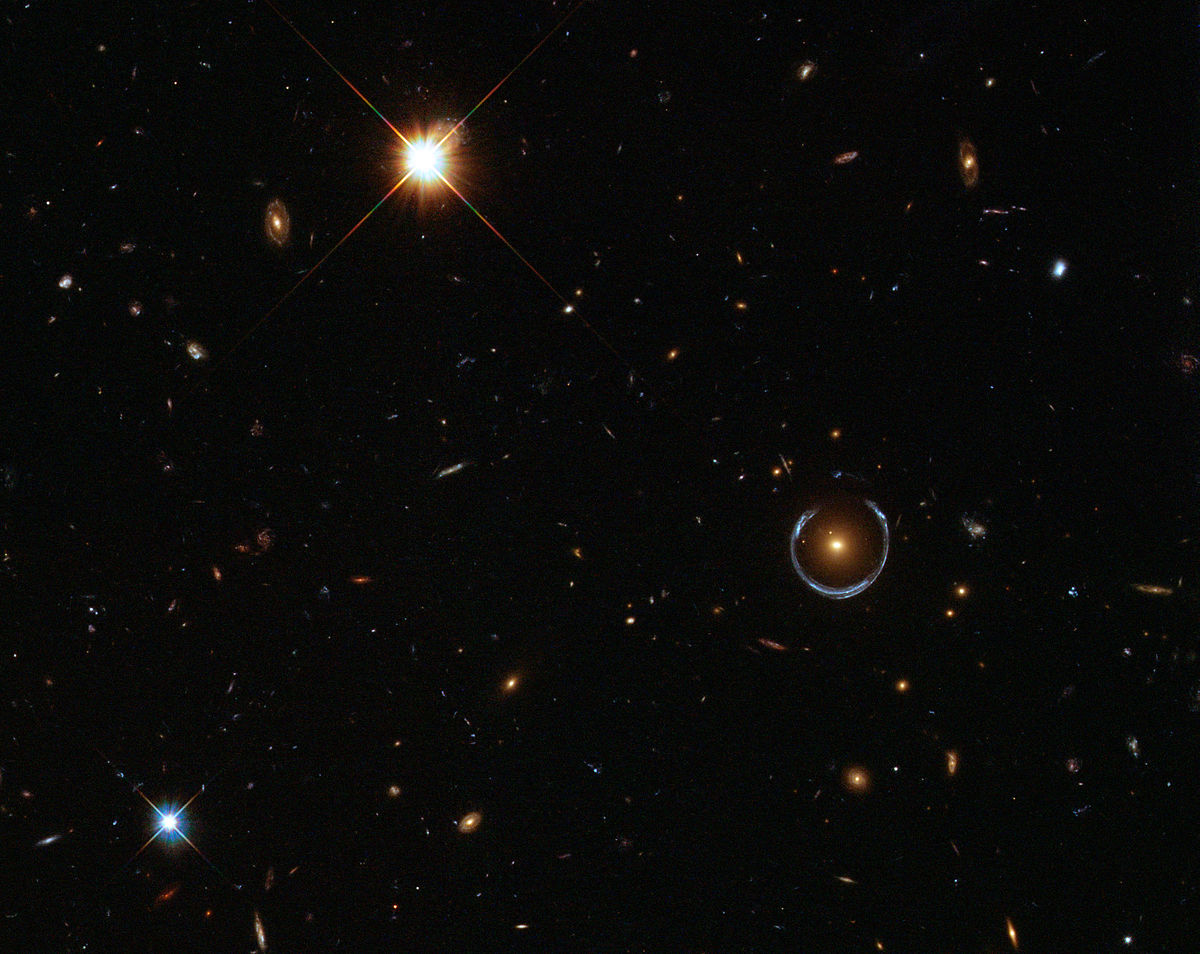 General Relativity
General relativity explains gravity as the warping of space and time by mass and energy, replacing Newton's concept of an attractive force.
-
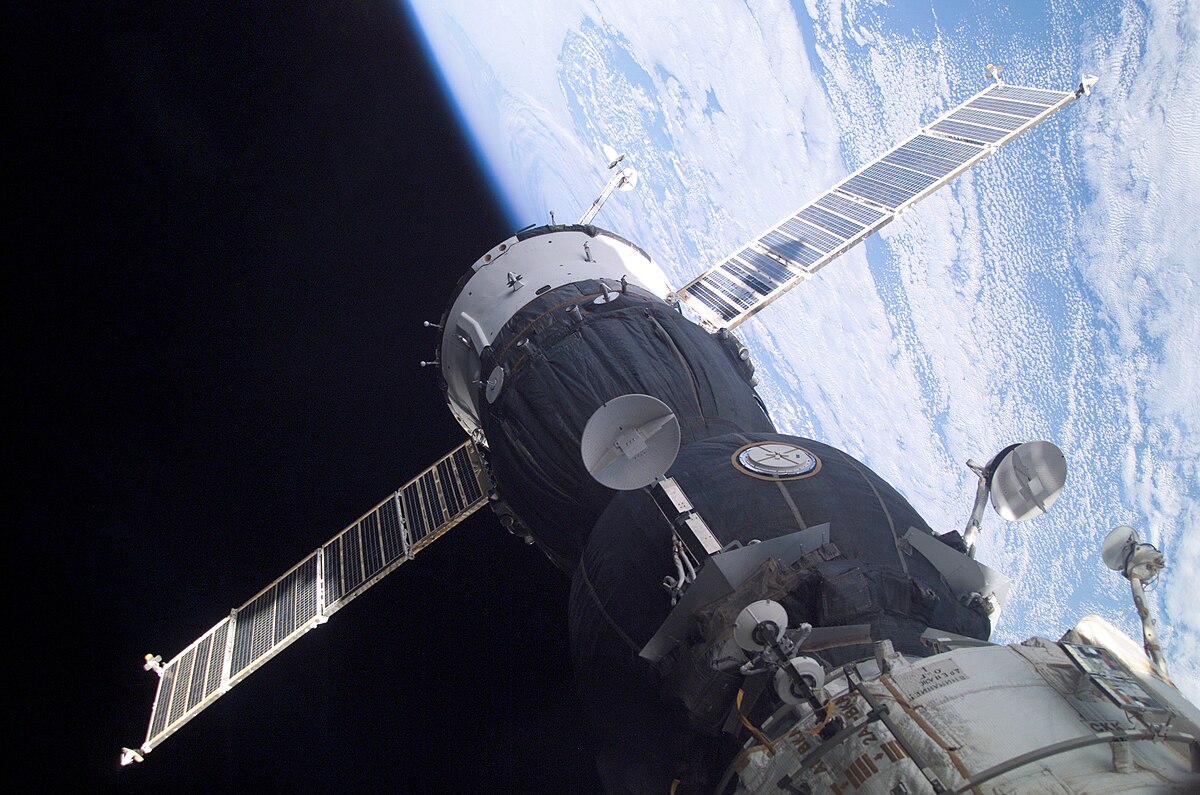 Gravitational time dilation
 is the actual difference in how fast time passes for objects at different distances from a heavy mass.
-
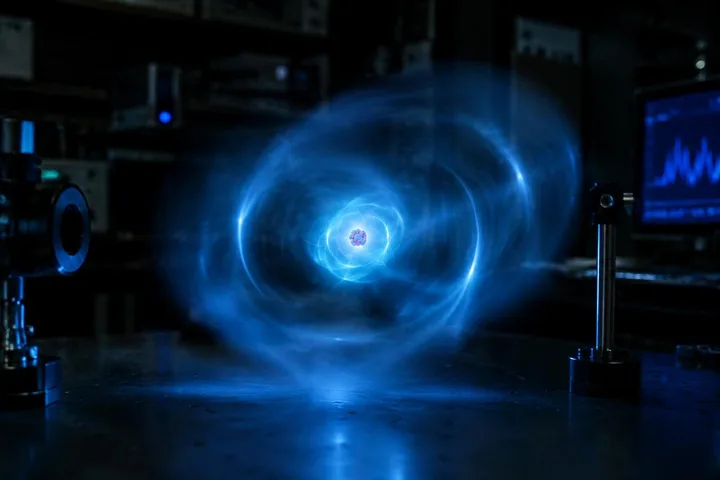 Heisenberg's Uncertainty Principle
 sets a fundamental limit on how precisely you can measure a particle's position and momentum at the same time.
-
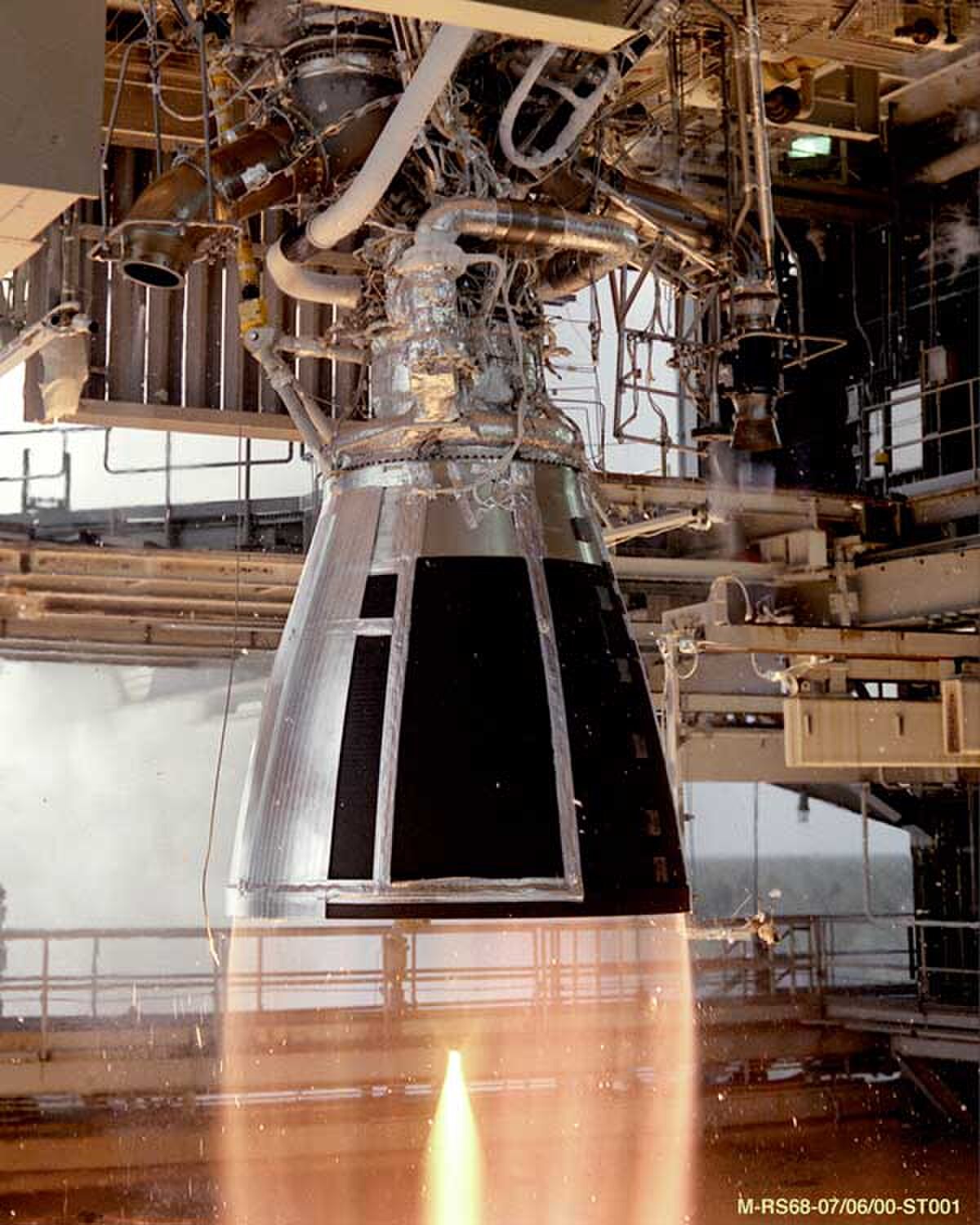 Jet Propulsion
Jet propulsion pushes objects forward by shooting out fluid in the opposite direction, powering aircraft, rockets, and swimming squid.
-
 Joint Cavitation
Joint cavitation is the formation of gas bubbles inside the lubricating fluid of a joint when its surfaces are pulled apart.
-
 Laplace's Demon
 is a thought experiment about a hypothetical intellect that knows the exact position and motion of every particle in existence.
-
 Oceanography
 is the scientific study of the ocean, exploring its physics, chemistry, biology, geology, and global currents.
-
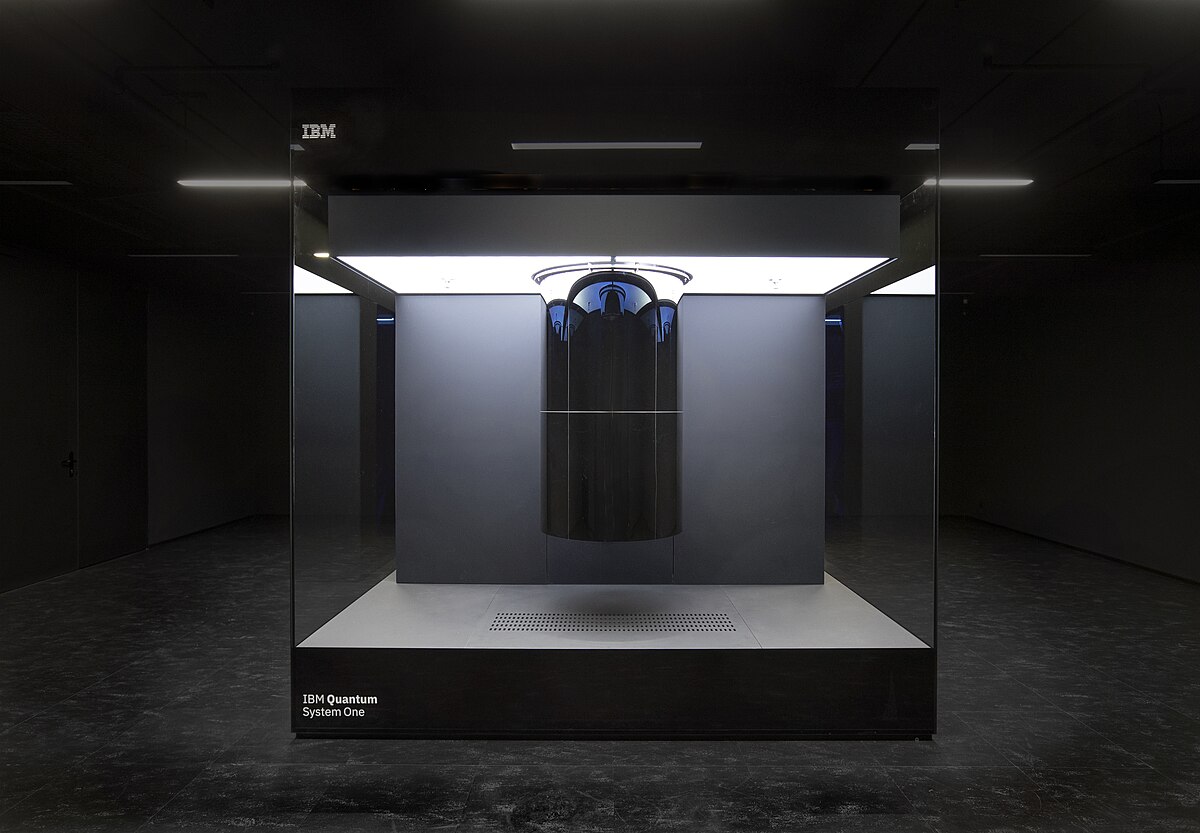 Quantum Computer
A quantum computer is a device that processes information using quantum states rather than classical binary switches.
-
Quantum Entanglement
Entangled particles share one quantum state, so their measurements stay correlated across any distance in ways local hidden variables can't explain.
-
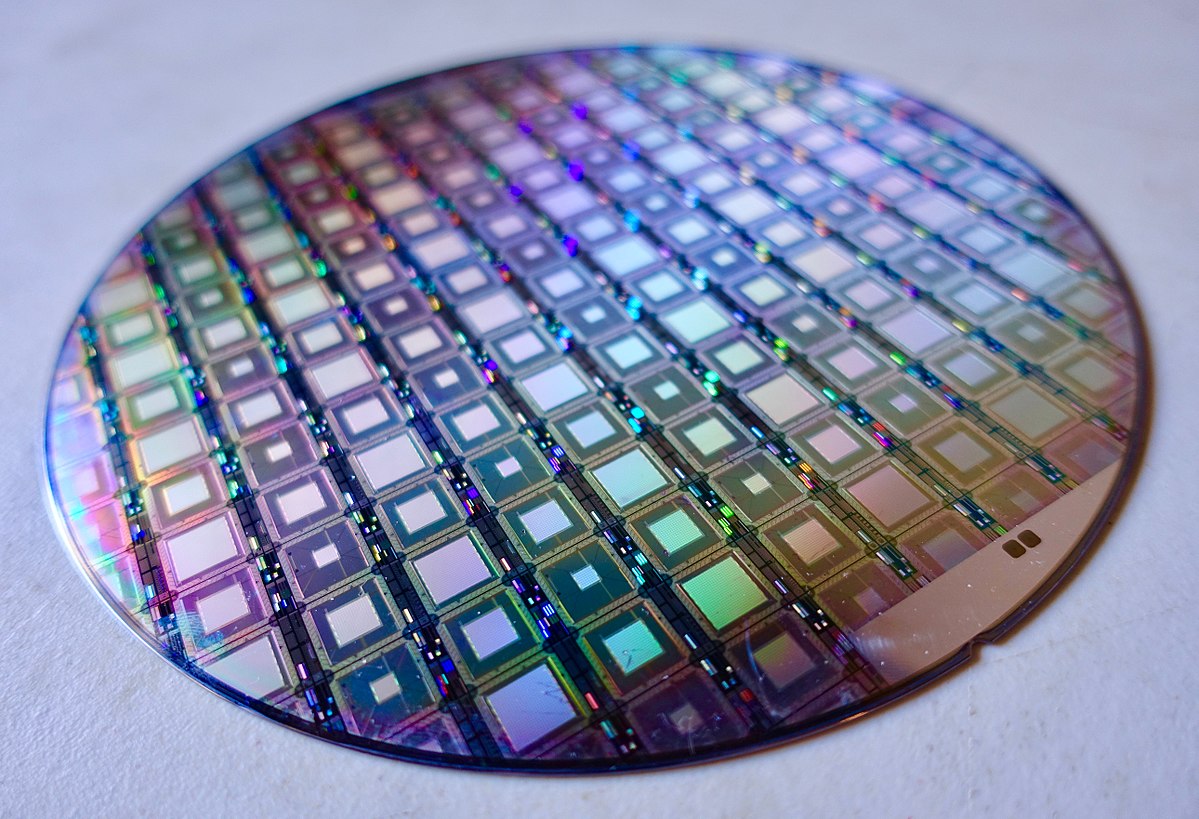 Quantum Superposition
Quantum superposition is the principle where a physical system exists in multiple possible states simultaneously until it is measured.
-
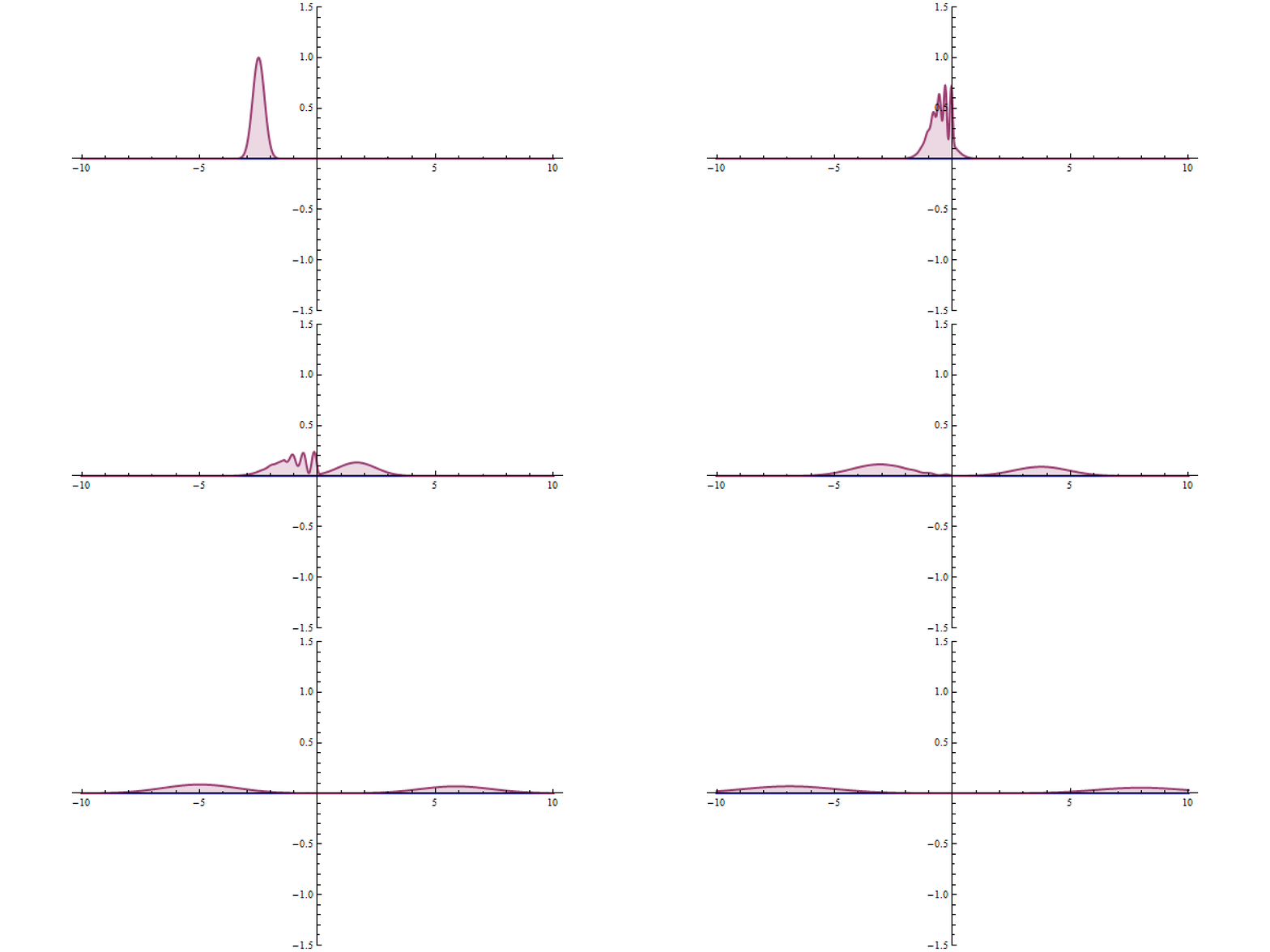 Quantum Tunneling
Quantum tunneling is a physical process where a particle passes directly through an energy barrier it lacks the energy to climb over.
-
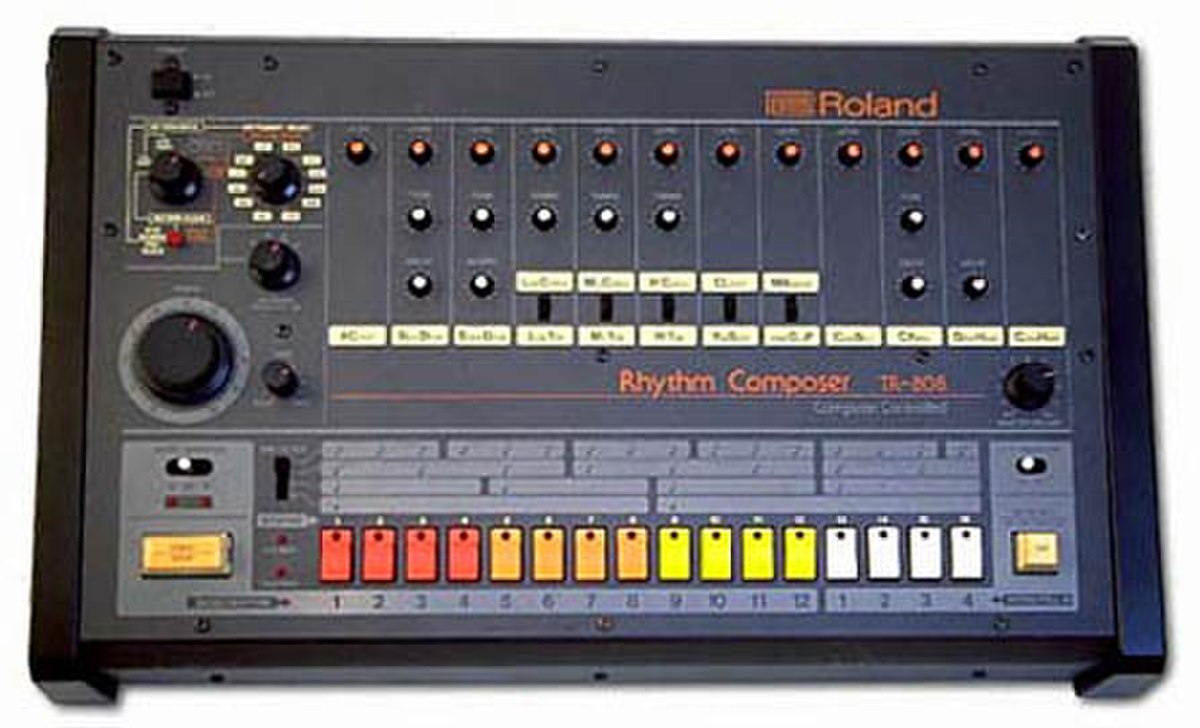 Rhythm
 is the regular flow of movement or sound created by alternating strong, accented elements with weaker ones.
-
 Schrödinger's Cat
Schrödinger's cat is a thought experiment showing the paradox of quantum superposition, where a cat in a sealed box is both alive and dead.
-
 Sonic Boom
A sonic boom is a loud sound resembling an explosion caused by shock waves when an object moves faster than the speed of sound.
-
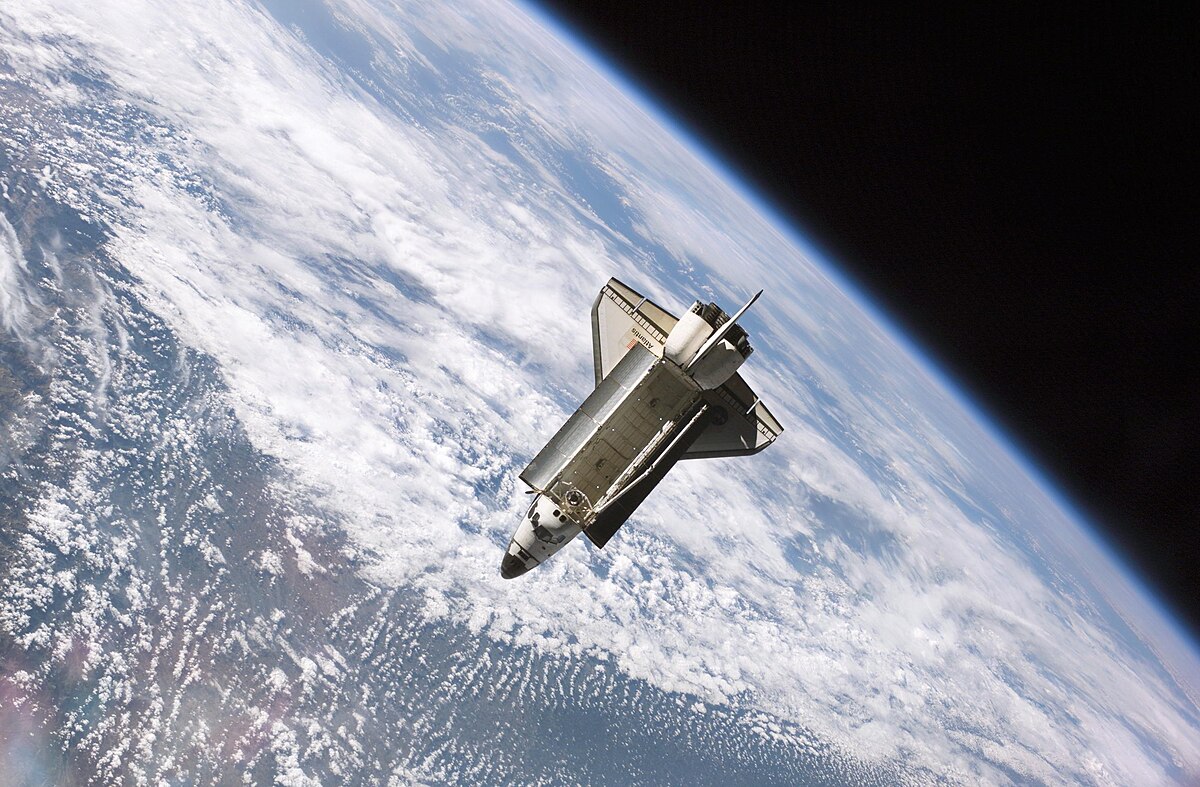 Space Exploration
Space exploration is the physical investigation of outer space using uncrewed robotic probes and human spaceflight.
-
 Special Theory of Relativity
The Special Theory of Relativity is a physics theory describing the relationship between space and time for objects moving at constant speeds.
-
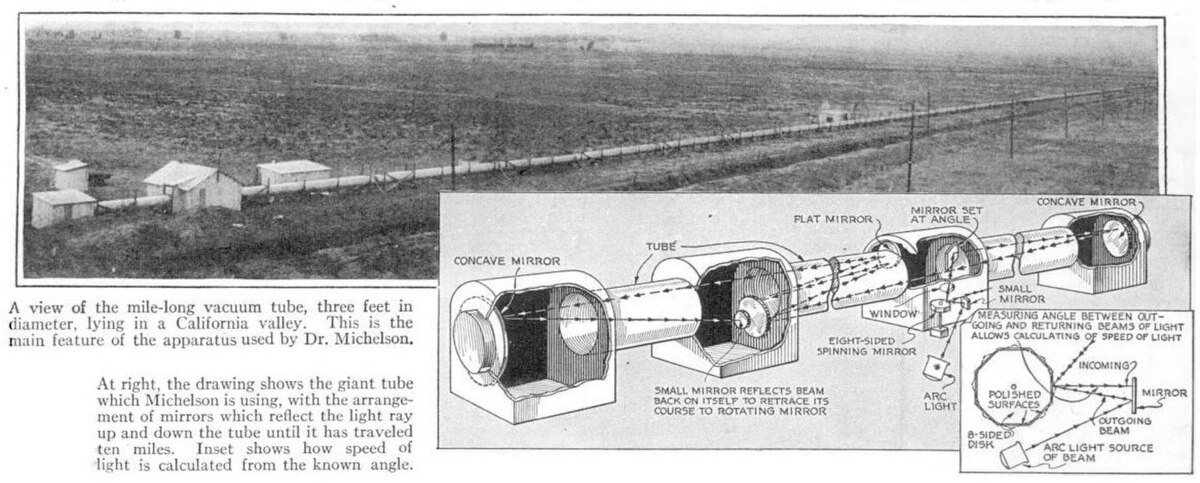 Speed of Light
The speed of light is the universal speed at which electromagnetic waves and massless particles travel through a vacuum, which is empty space.
-
Time Dilation
Time dilation is the difference in elapsed time measured by two clocks due to relative speed or gravity.
-
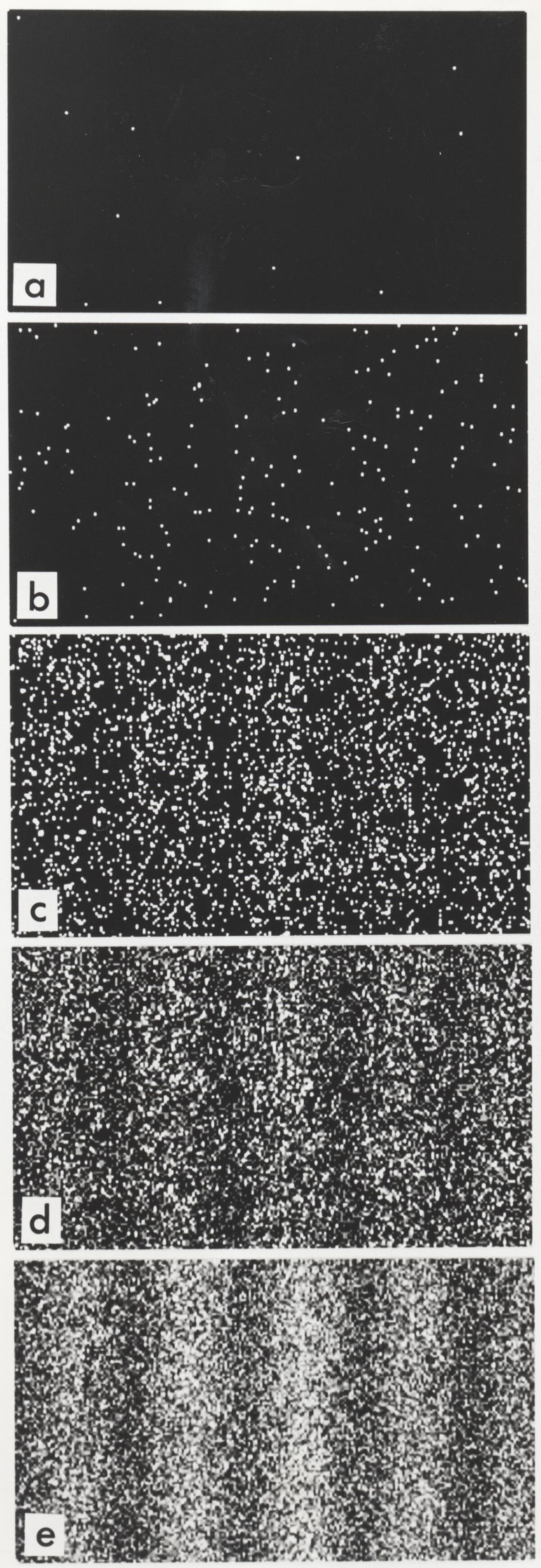 Wave-Particle Duality
Wave-particle duality shows that fundamental objects like electrons and photons behave as waves or particles depending on how they are measured.